Marrakech's Medina at Dusk: A Sensory Overload in Frames
When the sun drops behind the Atlas Mountains, Marrakech's ancient medina transforms into a labyrinth of light, smoke, and sound.
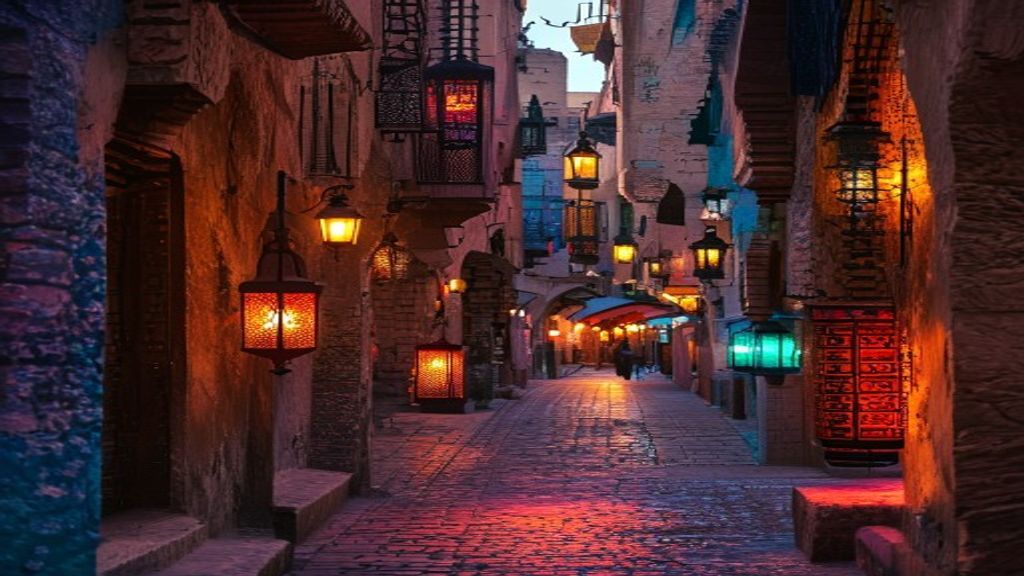
The Hour When the Medina Wakes Up
There is a moment each evening, around six o’clock, when Marrakech shifts gears. The brutal afternoon heat loosens its grip. Shopkeepers splash water on the dusty ground outside their stalls. The muezzin’s call to prayer rolls across the rooftops like a wave. And the medina — the ancient walled city that has operated on its own logic for a thousand years — begins its nightly transformation.
The Light Changes First
As the sun angles below the tops of the medina walls, the narrow alleys that were shadowed corridors all day suddenly catch horizontal shafts of golden light. It slices through gaps in the overhead lattice, illuminates hanging brass lanterns from within, and turns the rose-pink plaster walls the color of burnt honey. Photographers call this light “impossible” because it only exists for about twenty minutes, and it moves fast.
In the dyers’ souk, freshly dyed skeins of wool and silk hang from rooftop poles to dry — saffron yellow, cobalt blue, vermillion red. Backlit by the sinking sun, they glow like stained glass. Below them, the dyers themselves, arms stained to the elbow, lean against doorframes and share cigarettes as the day’s work winds down.
Then the Smoke
Jemaa el-Fna, the great square at the medina’s heart, is a UNESCO-recognized masterpiece of oral tradition and cultural performance. But at dusk, it is a masterpiece of smoke. Dozens of open-air food stalls fire up simultaneously, and within minutes the square is hazed in a fragrant fog of grilling lamb, simmering harira soup, and the sharp sweetness of fresh-squeezed orange juice poured over ice.
The stall operators — each assigned a numbered station — compete for customers with theatrical intensity. They shout, they gesture, they thrust laminated menus at passersby. The chaos is genuine but also ritual, a performance repeated every night for decades. Choose a stall (locals say numbers 14 and 31 are reliable), sit on a plastic bench, and eat lamb kefta with bread for a few dirhams while the smoke swirls and the square’s energy builds.
The Sounds Layer
By seven o’clock, Jemaa el-Fna is an orchestra tuning up. Gnawa musicians begin their trance-inducing rhythms — iron castanets clicking, bass gimbri thrumming, voices chanting in call-and-response patterns that predate Islam in North Africa. Nearby, a halaqa (story circle) draws a crowd around a performer whose animated gestures need no translation. Snake charmers coil their cobras (controversial, yes, but still present). Henna artists work by lamplight, their needles tracing geometric patterns on outstretched palms.
The acoustic layering is disorienting in the best way. Every ten steps, one sound fades and another rises, as if you are tuning a radio dial by walking.
Into the Souks
Leave the square through any of the narrow exits and you enter the souk network — kilometers of covered market alleys organized by trade. The spice souk is a wall of color: pyramids of turmeric, cumin, saffron, dried roses, and ras el hanout (the signature Moroccan spice blend whose name means “head of the shop” — the best of everything the merchant has). The metalwork souk rings with hammer strikes as artisans beat geometric patterns into brass trays and lanterns. The leather souk smells of tanned hide and cedar.
At dusk, the overhead lattice that shades the souks during the day creates a moody half-light punctuated by bare bulbs strung between stalls. It is atmospheric in a way that no designed retail space could replicate — centuries of commerce compressed into alleys barely wide enough for two people to pass.
The Return to Stillness
By ten o’clock, the food stalls are being dismantled, the musicians are counting their tips, and the square empties with surprising speed. Walk back through the medina now and you will find a different city — quiet, lamplit, smelling of jasmine and woodsmoke. A cat crosses your path. A door opens somewhere above and laughter spills out. The medina does not sleep, exactly. It just lowers its voice.
Marrakech at dusk is not a place you visit. It is a place that happens to you.