Wine Regions of Argentina and Chile: A Tasting Journey
From Mendoza's sun-drenched Malbec vineyards to Chile's cool-climate Casablanca Valley — the complete guide to South America's wine country.
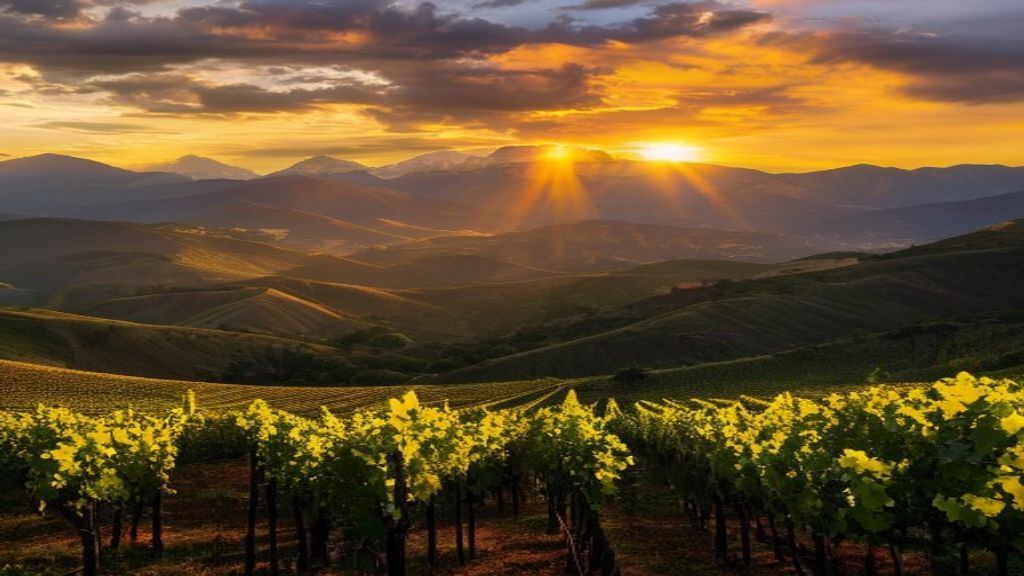
Two Countries, One Andes, a Thousand Vineyards
South America’s wine revolution has been quietly reshaping the global wine map for two decades. Argentina and Chile, separated by the spine of the Andes, produce wines of startling quality at prices that would be impossible in Bordeaux or Napa. But the real reason to visit is not the wine alone — it is the combination of world-class tasting rooms, dramatic mountain scenery, and a food culture built around slow afternoons and long tables.
Argentina: Mendoza and Beyond
Mendoza — The Capital of Malbec
Mendoza is to Argentine wine what Bordeaux is to French wine — the center of gravity. The city itself is a pleasant, tree-lined grid of sidewalk cafes and steak restaurants, but the action is in the surrounding wine regions, fanning out from the Andes foothills in concentric zones of terroir.
Luján de Cuyo is the traditional heartland, home to century-old Malbec vines planted by Italian immigrants. Bodegas like Catena Zapata, Achaval Ferrer, and Luigi Bosca offer tastings that range from casual to multi-course food pairings. The wines here are bold, concentrated, and deeply colored — high-altitude sunshine and cool mountain nights produce grapes with intense flavor and balanced acidity.
The Uco Valley, an hour south, is the frontier. Higher altitude (up to 1,500 meters), cooler temperatures, and newer plantings produce a more elegant, mineral-driven style. This is where winemakers come to experiment. Bodega Salentein’s vineyard, set against a backdrop of snow-capped Andes peaks, is one of the most photographed in South America — and the wine justifies the scenery.
Pro tip: Rent bikes through a company like Mr. Hugo and cycle between bodegas in Maipú. The roads are flat, the distances short, and the designated driver problem is solved.
Salta and Cafayate — The High North
Three hours north of Mendoza by plane (or a spectacular two-day drive), the Calchaquí Valley around Cafayate produces Torrontés — Argentina’s signature white grape. At elevations above 1,700 meters, these are among the highest vineyards in the world, and the wine reflects it: aromatic, floral, bone-dry, and utterly refreshing.
The drive from Salta to Cafayate through the Quebrada de las Flechas (Valley of Arrows) passes through otherworldly rock formations eroded into tilted spires. Stop at Bodega Colomé, one of the oldest wineries in the Americas (founded 1831), which also houses the James Turrell Museum — a surreal art installation embedded in the high desert.
Chile: Pacific Influence and Volcanic Soil
The Casablanca Valley — Cool Climate Elegance
Just an hour from Santiago (and conveniently located on the road to Valparaíso), Casablanca is Chile’s answer to cool-climate winemaking. Pacific fog rolls in from the coast each morning, burning off slowly to reveal vineyards planted primarily with Sauvignon Blanc, Chardonnay, and Pinot Noir.
The wines are crisp, bright, and refreshing — the polar opposite of Mendoza’s muscular reds. Visit Kingston Family Vineyards for an intimate, family-run experience, or Emiliana for South America’s largest organic and biodynamic wine operation.
The Colchagua Valley — Chile’s Red Heart
South of Santiago, Colchagua is Chile’s premier red wine region. Carménère — a grape that virtually disappeared from Bordeaux after the phylloxera epidemic and was rediscovered thriving in Chilean vineyards in the 1990s — reaches its peak expression here. Rich, herbaceous, with notes of dark fruit and black pepper, it is Chile’s calling card.
The Colchagua Wine Train runs on weekends from San Fernando to Santa Cruz, stopping at vineyards along the way. It is tourist-oriented but genuinely enjoyable — the scenery is beautiful and the onboard wine tasting starts before you reach the first stop.
Must visit: Viña Montes, whose feng shui-designed barrel room plays Gregorian chants to the aging wine. Eccentric? Absolutely. But the Alpha M blend is one of Chile’s finest reds, and the hilltop restaurant serves some of the best food in the valley.
Planning Your Trip
When to go: March-May (harvest season) is ideal. Vineyards are active, the weather is warm but not scorching, and many bodegas offer harvest participation experiences.
Combine the two: You can fly Santiago to Mendoza in ninety minutes, or take the spectacular bus crossing over the Andes via the Paso Los Libertadores. The mountain pass road — switchbacking past Aconcagua, the tallest peak in the Americas — is one of South America’s great drives.
Budget: Tastings in both countries range from free to around $30 USD for premium flights. A multi-course lunch with wine pairing at a top bodega runs $40-80 USD — a fraction of equivalent experiences in Europe or California.
Book ahead: The best small producers require reservations, especially during harvest season. Email or WhatsApp a week in advance.
Bring an empty suitcase. You will need it for the bottles.