The Ultimate Tokyo Neighborhood Food Guide: Eat Like a Local
From steaming ramen alleys in Shinjuku to hidden izakayas in Shimokitazawa, this guide takes you through Tokyo's most delicious districts with specific recommendations, budget tips, and insider secrets.
The Ultimate Tokyo Neighborhood Food Guide: Eat Like a Local
Tokyo is, without question, one of the greatest eating cities on Earth. With more Michelin stars than Paris and a street food culture that rivals Bangkok, navigating its culinary landscape can feel overwhelming — and wonderfully so. This guide cuts through the noise and takes you neighborhood by neighborhood, dish by dish, so you can eat exactly like a Tokyoite.
Shinjuku: Ramen Alleys & Late-Night Eats
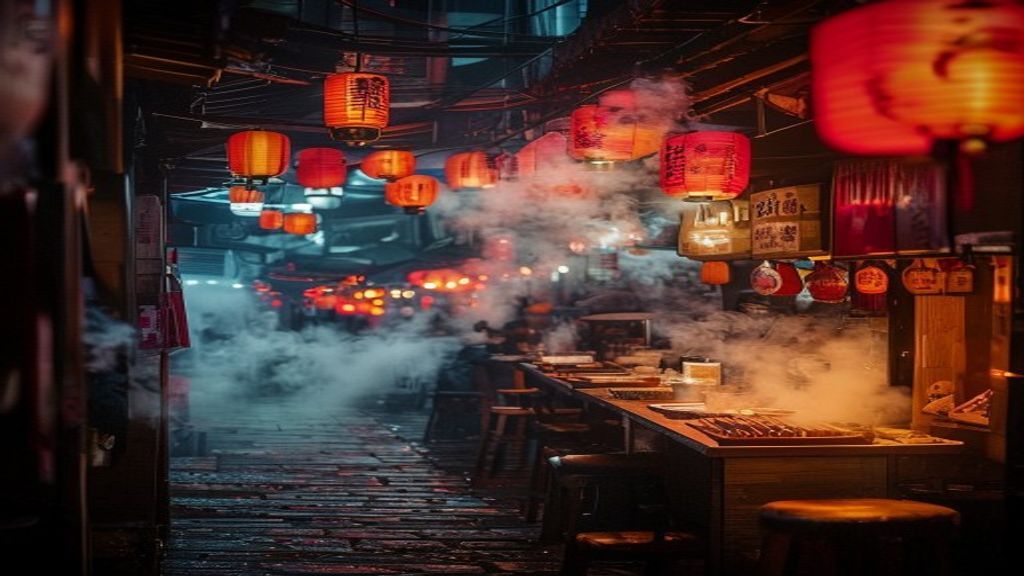
Shinjuku is where Tokyo never sleeps, and neither do its kitchens. Head to Omoide Yokocho (Memory Lane), a narrow alley of yakitori stalls just west of Shinjuku Station. Arrive after 6 PM for the full smoky, lantern-lit experience. Skewers run ¥150–¥400 each — budget around ¥2,000–¥3,000 for a satisfying meal with beer.
For ramen, duck into Fuunji near Nishi-Shinjuku for their legendary tsukemen (dipping noodles). Arrive before opening — lines form 30 minutes early. A bowl costs around ¥1,050.
Insider tip: Avoid the tourist-trap restaurants directly outside the station’s east exit. Walk two blocks in any direction and prices drop significantly.
Shibuya & Daikanyama: Trendy Bites and Café Culture
Shibuya’s food scene skews young and experimental. Visit Genki Sushi on Center Street for conveyor-belt sushi at ¥110–¥330 per plate — a fun, no-fuss option. For something upscale, the Log Road Daikanyama complex houses boutique restaurants in a beautifully converted railway space.
Daikanyama’s café culture is world-class. Ivy Place offers a gorgeous garden terrace and all-day brunch. Coffee here runs ¥600–¥800, and the avocado toast is worth every yen.
Shimokitazawa: Tokyo’s Hidden Izakaya Scene
This bohemian neighborhood is beloved by artists and musicians — and it has the izakayas to match. Wander the narrow streets south of Shimokitazawa Station and follow the sound of laughter. Shirube is a local legend: a tiny wooden izakaya where the sashimi is impossibly fresh and a full dinner with sake costs under ¥3,000.
Shimokitazawa is also home to incredible curry houses. Spice Up serves Sri Lankan-inspired curry bowls that locals queue for on weekends. Get there by noon.
Insider tip: In izakayas, ordering the otoshi (a small automatic appetizer charged at ¥300–¥500) is customary — don’t be surprised when it appears.
Tsukiji Outer Market: The Breakfast of Champions
The inner wholesale market moved to Toyosu, but Tsukiji Outer Market remains a must-visit. Arrive between 7–9 AM for the freshest experience. Grab a tamagoyaki (sweet egg omelette) from Marutake, a cup of dashi broth from any stall, and splurge on a sea urchin hand roll for ¥1,500–¥2,000. This is breakfast, Tokyo-style.
What to avoid: Skipping breakfast here in favor of your hotel buffet. Don’t.
Yanaka: Old Tokyo & Home-Style Cooking
Yanaka survived WWII bombing raids and preserves an Edo-era atmosphere that most of Tokyo lost. Yanaka Ginza is a shotengai (shopping street) packed with family-run food stalls selling mochi, croquettes, and handmade senbei (rice crackers). Everything is ¥100–¥500 and most vendors have been here for generations.
For a sit-down meal, Hantei serves beautifully crafted kushi-age (deep-fried skewers) in a stunning Meiji-era building. A multi-course set runs ¥4,000–¥6,000 — book ahead.
Budget Breakdown
| Meal Type | Average Cost |
|---|---|
| Street food / stall snack | ¥200–¥600 |
| Ramen / soba bowl | ¥800–¥1,200 |
| Izakaya dinner (food + drinks) | ¥2,500–¥4,000 |
| High-end kaiseki or omakase | ¥15,000+ |
Practical Tips
- Cash is still king in many traditional restaurants and stalls. Keep ¥5,000–¥10,000 on hand daily.
- Google Translate’s camera mode can read Japanese menus in real time — a lifesaver.
- Lunch sets (teishoku) are the best value in the city. Many high-end restaurants offer ¥1,000–¥1,500 lunch sets that would cost triple at dinner.
- Restaurants with plastic food displays in the window are not tourist traps — they’re practical and often excellent.
- Queue culture is sacred. Join the line, wait your turn, and you’ll be rewarded.
Tokyo rewards the curious and the hungry in equal measure. Put down the map, follow your nose, and let the city feed you.