The Ultimate Tokyo Neighborhood Food Crawl: From Shinjuku to Yanaka
A district-by-district guide to eating your way through Tokyo's most flavorful neighborhoods, from late-night ramen alleys to century-old tofu shops. Packed with specific spots, insider tips, and budget breakdowns.
The Ultimate Tokyo Neighborhood Food Crawl: From Shinjuku to Yanaka
Tokyo has more Michelin-starred restaurants than any other city on Earth — but its truest culinary soul lives in the steamy windows of a 10-seat ramen counter or the quiet back alley of a century-old shotengai (shopping street). This guide takes you through four distinct neighborhoods, each with its own food personality, giving you a full-day crawl you can actually do in one epic Saturday.
🍜 Shinjuku: The Late-Night Launchpad
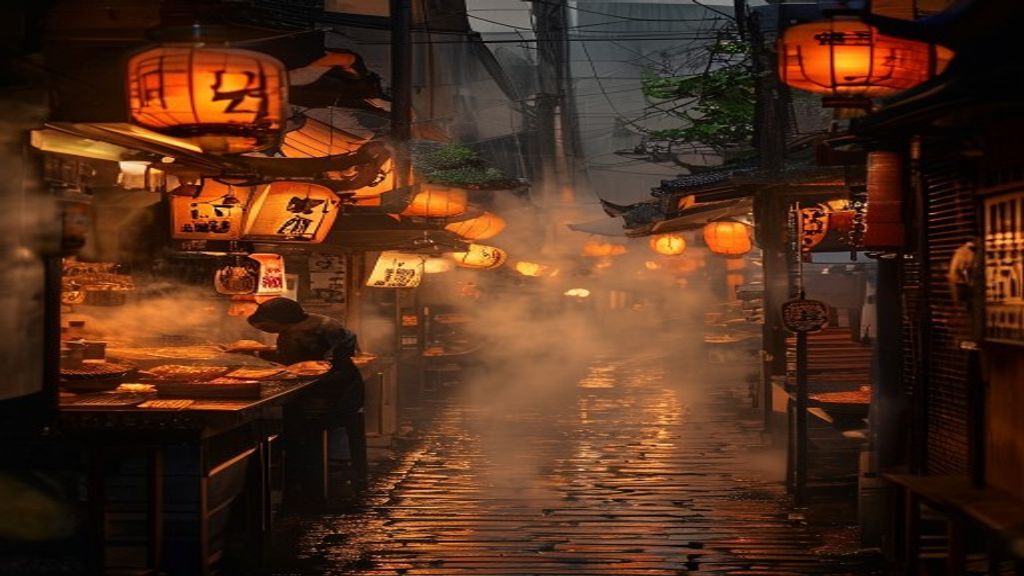
Start your morning in Shinjuku, where the city’s night-shift workers are just winding down with breakfast bowls. Head to Omoide Yokocho (Memory Lane) — a narrow alley off the west exit packed with yakitori stalls that have been grilling chicken skewers since the 1940s. Arrive before 11 a.m. and you’ll dodge the tourist crowds entirely.
Must-try: Chicken skin yakitori (negima) and a cold Sapporo draft, even if it’s early. You’re on vacation.
Insider Tip: The stalls on the eastern end of the alley are less photographed and more frequented by locals — look for the ones with handwritten menus only in Japanese. Google Translate’s camera mode is your best friend here.
Budget: ¥800–¥1,500 for a small yakitori breakfast set with drinks.
🥟 Shinjuku Golden Gai: Tiny Bars, Big Flavors
Just steps from Omoide Yokocho, Golden Gai is a labyrinth of 200+ micro-bars, many of which serve food. By mid-morning some owners are already prepping; duck into open kitchens for a coffee and Japanese-style morning toast (shokupan with butter and red bean paste).
What to avoid: Bars with English menus posted prominently outside often have a tourist markup. Wander deeper into the maze for the real thing.
🍱 Tsukiji Outer Market: The Seafood Pilgrimage
Hop on the Tokyo Metro Marunouchi Line south to Tsukiji. The inner wholesale market moved to Toyosu in 2018, but the Outer Market remains a glorious chaos of fresh tamagoyaki (rolled egg) stalls, uni (sea urchin) on rice, and the world’s best tuna hand rolls.
Don’t miss:
- Yamachō — for uni donburi (sea urchin rice bowl) that will ruin all future seafood for you
- Tsukiji Tamagoyaki stalls near the main gate — grab a stick of warm, slightly sweet egg for ¥200
- Marutake for fresh oysters shucked to order
Budget: A full seafood lunch at Tsukiji runs ¥1,500–¥3,500 depending on whether you go full uni-bowl mode (worth every yen).
Insider Tip: Lines form by 9 a.m. on weekends. Come on a weekday or arrive right at opening (most stalls open 5–6 a.m.) to walk straight in.
🍡 Yanaka: Old Tokyo on a Stick
Take the Hibiya Line north to Nezu station and walk into Yanaka Ginza, one of the last surviving old-style shotengai shopping streets in the city. This neighborhood somehow escaped both WWII firebombing and the bubble-era demolition crews, leaving an intact slice of Showa-era Tokyo.
Food highlights:
- Yanaka Beer Hall — craft beer and Japanese bar snacks in a converted townhouse
- Kayaba Coffee — a 1938 kissaten (old-school café) serving retro egg salad sandwiches and hand-drip coffee
- Menchi katsu (deep-fried minced meat cutlets) from street stalls along the Ginza — ¥150–¥200 each, eaten standing up
- Daifuku mochi from Mihashi — soft rice cakes filled with sweet azuki bean paste
What to avoid: The Yanaka Cemetery is beautiful for a stroll, but skip the overpriced souvenir shops on its perimeter — the real gems are the family-run food vendors a block away.
Budget: Yanaka is incredibly affordable. Budget ¥1,000–¥2,000 for a full afternoon of snacking.
💡 Practical Tips for the Crawl
- Best day: Tuesday–Friday. Weekend crowds at Tsukiji and Yanaka are intense.
- Transport: A 24-hour Tokyo Metro pass (¥600) covers every stop on this crawl.
- Cash: Most small stalls and shotengai shops are still cash-only. Carry at least ¥10,000 in small bills.
- Pace yourself: This is a marathon, not a sprint. Eat small portions at each stop — the goal is breadth, not depth.
- Wear comfortable shoes: You’ll walk 8–12 km across the day.
- Apps: Google Maps works excellently in Tokyo. Tabelog (Japanese Yelp) is the gold standard for finding local-approved restaurants.
💴 Full-Day Budget Breakdown
| Stop | Estimated Cost |
|---|---|
| Shinjuku yakitori breakfast | ¥1,200 |
| Golden Gai coffee & toast | ¥600 |
| Tsukiji seafood lunch | ¥2,500 |
| Yanaka afternoon snacks | ¥1,500 |
| Metro pass | ¥600 |
| Total |
For one of the world’s great food cities, Tokyo is remarkably affordable when you eat where the locals eat. This crawl is proof that the best meals don’t require a reservation — just a sense of direction and a very hungry stomach.