The Ultimate Tokyo Neighborhood Food Crawl: From Ramen Alleys to Michelin Bistros
A neighborhood-by-neighborhood guide to Tokyo's legendary food scene, covering everything from steaming ramen stalls in Shinjuku to hidden izakayas in Shimokitazawa — with insider tips, budget breakdowns, and what to skip.
The Ultimate Tokyo Neighborhood Food Crawl: From Ramen Alleys to Michelin Bistros
Tokyo has more Michelin-starred restaurants than any other city on Earth — but the real magic of eating here isn’t reserved for special occasions. It lives in the sizzle of a yakitori skewer over charcoal, in a ¥600 bowl of perfectly salted soba, in the warm steam rising off a convenience store oden pot at midnight. This guide will take you through Tokyo’s most rewarding neighborhoods for food, one bite at a time.
Shinjuku: The Night-Owl’s Playground
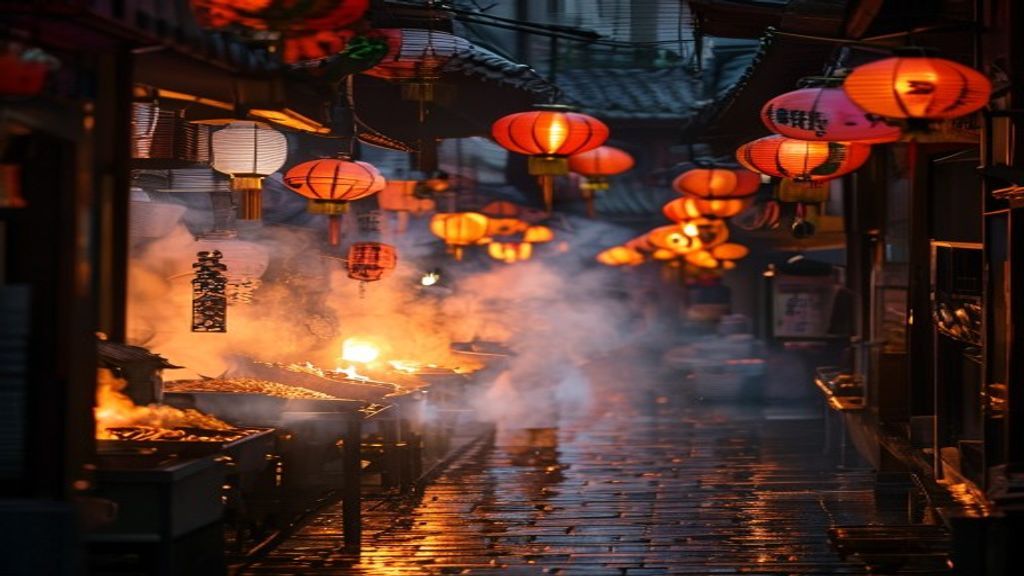
Start your crawl in Omoide Yokocho (Memory Lane), a narrow alley just west of Shinjuku Station packed with tiny yakitori stalls that have barely changed since the 1950s. Pull up a stool, order a plate of grilled chicken hearts or negima (leek and chicken skewers), and wash it down with an ice-cold Sapporo draft. Expect to spend ¥1,500–¥2,500 per person here.
Insider Tip: Arrive before 7 PM on weekdays to snag a seat. Weekends fill up instantly after 6 PM.
For something more sit-down, head to Kabukicho and duck into one of the ramen shops on Ramen Street near Toho Cinema. Fuunji is legendary for its tsukemen (dipping ramen) — the rich, almost gravy-like broth clings to thick noodles in a way that will ruin all other ramen for you. Budget ¥900–¥1,200 for a bowl.
What to Avoid: The robot restaurants and tourist-trap themed cafés in Kabukicho — overpriced and underwhelming.
Shimokitazawa: Bohemian Bites and Craft Coffee
This artsy, vintage-loving neighborhood southwest of Shinjuku is where Tokyo’s creatives eat. The streets are narrow, the signage is handwritten, and the food is adventurous.
- Bonjour Records Café — Yes, a record store with an espresso bar. The avocado toast and pour-over coffee are genuinely excellent.
- Falafel Brothers — An unlikely gem: Middle Eastern food done right, with freshly fried falafel wraps for around ¥900.
- Shirube — A standing izakaya beloved by locals. Order the grilled mackerel, pickled vegetables, and cold sake. Total bill rarely exceeds ¥2,000.
Insider Tip: Shimokitazawa is best explored on foot. Leave Google Maps behind and wander — the best spots rarely have English signage.
Tsukiji Outer Market: The Morning Pilgrim’s Feast
The inner wholesale market moved to Toyosu in 2018, but Tsukiji Outer Market is still the single best place in the world to eat fresh seafood in the morning. Go between 7 AM and 10 AM for peak freshness.
Must-eats:
- Tamagoyaki (sweet rolled omelette) from Marutake — about ¥300 for a skewer, warm and pillowy.
- Uni (sea urchin) sushi from any of the small counter restaurants lining the market — ¥800–¥1,500 per piece, but worth every yen.
- Freshly grilled scallops drizzled with soy butter from the street stalls.
Budget Tip: Skip the sit-down omakase restaurants inside the market for your first visit. Graze the stalls — you’ll eat better and spend less (¥1,500–¥3,000 total).
Yanaka: Old Tokyo, Slow Food
Yanaka survived WWII bombing largely intact and retains the atmosphere of Edo-era Tokyo. It’s quieter, older, and deeply local.
- Yanaka Ginza shopping street is lined with family-run shops selling grilled mochi, fresh tofu, and handmade senbei (rice crackers).
- Kayaba Coffee — A 1938 kissaten (old-school coffee house) serving thick toast with whipped butter and perfectly brewed drip coffee. ¥700–¥1,000 for a set.
- Yanmo — A tiny tempura counter where the chef fries each piece to order. Lunch sets run ¥1,200–¥1,800.
Budget Breakdown
| Experience | Avg. Cost Per Person |
|---|---|
| Convenience store meal (7-Eleven/Lawson) | ¥400–¥700 |
| Ramen or soba bowl | ¥800–¥1,400 |
| Izakaya dinner with drinks | ¥2,000–¥4,000 |
| High-end sushi counter | ¥15,000–¥40,000 |
| Tsukiji market breakfast crawl | ¥1,500–¥3,000 |
Practical Tips Before You Go
- Cash is king. Many small restaurants and market stalls don’t accept cards. Keep ¥5,000–¥10,000 in cash on you daily.
- IC Card (Suica/Pasmo): Load one at the airport — it works on all trains and in most convenience stores.
- Reservations: For any restaurant with Michelin stars or a Tabelog score above 3.8, book at least 2–4 weeks in advance via Tableall or Omakase apps (English-friendly).
- Eating while walking is generally frowned upon — enjoy your market snacks near where you bought them.
- Best months to visit for food festivals: May (Kanda Matsuri street food) and October (harvest season specialties across all neighborhoods).
Tokyo rewards the curious, the hungry, and the slightly lost. Don’t plan every meal — leave room for the unplanned bowl of soba at a counter with no English menu. That’s where the best memories are made.