The Ultimate Tokyo Neighborhood Food Crawl: Eat Like a Local in 2026
From steaming ramen alleys in Shinjuku to hidden izakayas in Shimokitazawa, this guide walks you through Tokyo's most delicious neighborhoods with specific picks, budget tips, and insider secrets.
The Ultimate Tokyo Neighborhood Food Crawl: Eat Like a Local in 2026
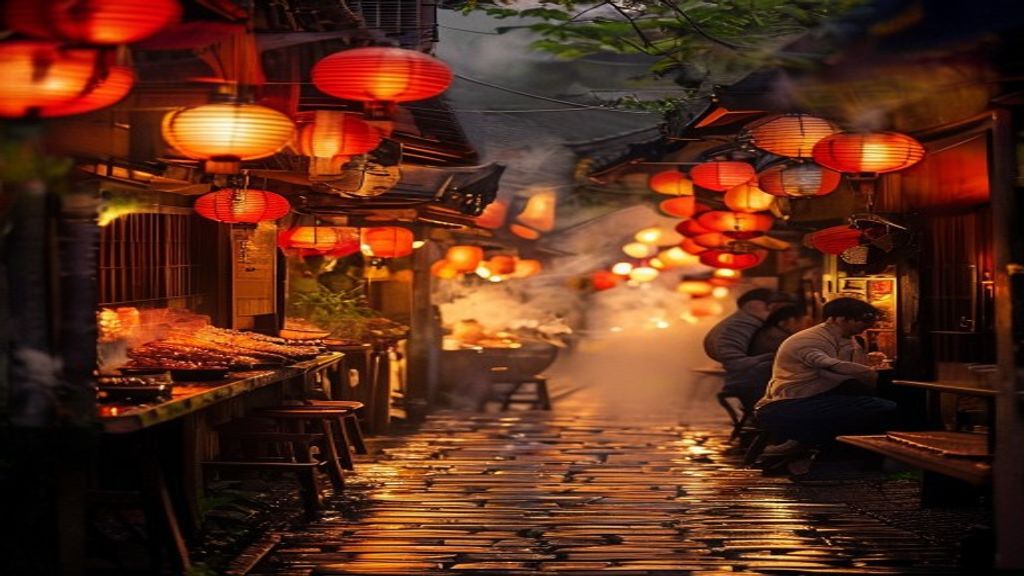
Tokyo has more Michelin stars than any other city on Earth — but the real magic happens at the street level, tucked inside smoky lantern-lit alleys, standing-room-only sushi counters, and tiny eight-seat ramen shops with hour-long queues. This guide is your passport to eating Tokyo like a local, neighborhood by neighborhood.
🍜 Shinjuku: The Ramen & Yakitori Capital
Start your crawl in Shinjuku, specifically the legendary Omoide Yokocho (Memory Lane) — a narrow alleyway of yakitori stalls that has barely changed since the 1950s. Arrive before 6 PM to grab a stool before the after-work crowd descends.
Must-try: Grill-skewered chicken hearts and cartilage at Yakitori Daikichi (sticks from ¥180). Wash it down with a cold Sapporo draft.
For ramen, detour to Fuunji in Shinjuku’s west exit underground — their tsukemen (dipping ramen) has a cult following. Expect a 20–40 minute wait. It is absolutely worth it.
💴 Budget: ¥1,500–2,500 (~$10–17 USD) for a full Shinjuku snack session.
🐟 Tsukiji Outer Market: The Morning Ritual
The inner wholesale market moved to Toyosu, but Tsukiji Outer Market remains the heartbeat of Tokyo’s seafood culture. Get here by 8 AM for the freshest experience.
Must-try:
- Tamagoyaki (sweet rolled omelet) fresh off the griddle at Yamamoto Noriten
- Uni (sea urchin) on rice at Sushi Dai’s sister stall, Daiwa Sushi — arrive early or queue for 45 minutes
- Fresh oysters from the open-air vendors along Kaiyo Street
Insider tip: Skip the main tourist strip and duck into the inner lanes — vendors there cater to chefs and offer better prices and quality.
💴 Budget: ¥1,000–2,000 (~$7–14 USD) for a full seafood breakfast spread.
🍺 Shimokitazawa: Izakaya Hopping for the Adventurous Eater
Shimokitazawa is Tokyo’s bohemian soul — vintage record shops, indie theaters, and some of the city’s most interesting izakayas. It’s where young Tokyoites come to unwind.
Must-try:
- Shirube – a dimly lit izakaya famous for its creative small plates; try the nankotsu karaage (crispy cartilage) and house-pickled vegetables
- Bar Bonobo – for natural wines and a cheese board that rivals anything in Paris
- Monjayaki (Tokyo-style savory pancakes) at any of the mom-and-pop spots near the south exit
Insider tip: Most izakayas have a toriaezu (for now) menu — order the daily small plates first, then decide on mains. This is how locals pace their evenings.
💴 Budget: ¥2,500–4,000 (~$17–27 USD) per person with drinks.
🍡 Yanaka: Old Tokyo’s Snack Walk
Yanaka Ginza is a preserved shotengai (shopping street) that survived WWII bombing and feels like stepping into 1960s Tokyo. It’s perfect for a slow afternoon snack walk.
Must-try:
- Menchi katsu (deep-fried minced meat cutlet) from Niku no Suzuki — eat it hot, standing on the street
- Mitarashi dango (chewy rice dumplings in sweet soy glaze) from Yanaka Matsunoya
- Freshly roasted senbei (rice crackers) brushed with soy sauce
Insider tip: Visit on a weekday afternoon — weekends draw larger crowds and some stalls sell out by 2 PM.
💴 Budget: ¥500–1,000 (~$3–7 USD) for a full snack walk.
⚠️ What to Avoid
- Tourist trap sushi conveyor belts near Asakusa station — quality drops sharply and prices spike for visitors
- Eating while walking in traditional neighborhoods like Yanaka — it’s considered rude; find a spot to stand or sit
- Skipping reservations for high-end spots — many require bookings 2–4 weeks in advance via Tableall or Omakase apps
- Exchanging money at the airport — 7-Eleven ATMs inside convenience stores offer the best exchange rates
🗓️ Practical Planning Tips
| Detail | Info |
|---|---|
| Best time to visit | March–May (cherry blossom) or Oct–Nov (autumn colors) |
| IC Card | Get a Suica card at any JR station for trains and convenience stores |
| Language | Download Google Translate with Japanese offline pack |
| Tipping | Never tip — it can be considered offensive |
| Food budget per day | ¥3,000–6,000 ($20–40 USD) eating like a local |
🌟 WanderWise Final Verdict
Tokyo rewards the curious eater. The best meals are rarely in guidebooks — they’re the ones you stumble into at 11 PM, pointed there by a salaryman at the bar next to you. Use this guide as your launchpad, then let the city surprise you. It always does.