The Ultimate Tokyo Neighborhood Food Crawl: Eat Like a Local
A neighborhood-by-neighborhood guide to Tokyo's most extraordinary food experiences, from predawn tuna auctions to late-night ramen alleys. Packed with specific restaurant picks, budget tips, and insider secrets.
The Ultimate Tokyo Neighborhood Food Crawl: Eat Like a Local
Tokyo has more Michelin stars than any other city on Earth — but some of its most transcendent meals cost less than a cup of coffee back home. This guide takes you through four iconic neighborhoods, each with its own culinary personality, and shows you exactly what to eat, where to eat it, and how to do it without burning through your yen.
🐟 Toyosu & Tsukiji: The Breakfast of Champions
Start before sunrise. The Toyosu Fish Market (the professional wholesale market) opens its outer market restaurants around 5:00 AM, and the best seats disappear fast. Head to Yamadaya or Sushi Dai for an omakase breakfast set — 7–10 pieces of the freshest nigiri you’ll ever eat — for around ¥4,000–¥6,000 (~$27–$40 USD).
If the lines at Toyosu feel daunting, the nearby Tsukiji Outer Market still buzzes every morning with tamagoyaki egg vendors, fresh uni on rice crackers, and grilled scallops dripping with butter and soy. Budget ¥1,500–¥2,500 for a full Tsukiji breakfast crawl.
Insider Tip: Arrive at Toyosu by 4:45 AM on weekdays. Weekends see lines doubling. Avoid the inner market viewing area unless you’ve pre-registered — it’s crowded and you see more from the outer areas anyway.
🍜 Shinjuku: The Ramen & Izakaya Labyrinth
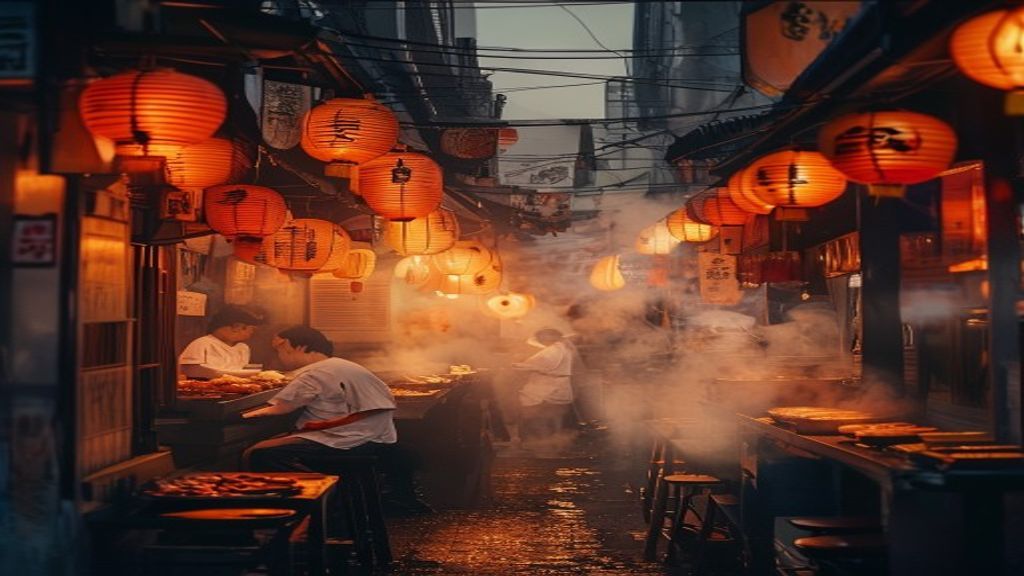
By evening, Shinjuku transforms into a neon-lit maze of culinary temptation. Duck into Omoide Yokocho (Memory Lane) — a narrow alley of yakitori stalls where smoke, laughter, and sizzling chicken skewers fill the air. A full skewer dinner with beer runs about ¥2,000–¥3,500.
For ramen, walk 10 minutes to Fuunji in Nishi-Shinjuku for their legendary tsukemen (dipping ramen). Arrive at opening (11:00 AM) or expect a 30–45 minute queue. A bowl is ¥1,100. Worth every second of the wait.
What to Avoid: The tourist-facing restaurants lining Yasukuni-dori with plastic food displays and English menus often charge double and deliver half the soul. Venture one block off the main drag.
🍡 Asakusa: Street Food & Century-Old Sweets
Asakusa is Tokyo’s most traditional neighborhood, and its food reflects that heritage beautifully. The Nakamise Shopping Street leading to Senso-ji Temple is lined with vendors selling ningyo-yaki (little sponge cakes filled with red bean paste, ~¥500 for 6) and age-manju (deep-fried sweet buns, ~¥200 each).
For a sit-down experience, reserve a table at Sometaro, a 70-year-old okonomiyaki restaurant where you cook your own savory pancakes at a griddle-topped table. Expect to spend ¥1,500–¥2,500 per person.
Insider Tip: Visit Kamiya Bar, opened in 1880 — Tokyo’s oldest Western-style bar — and order a Denki Bran, their mysterious house brandy cocktail. It’s history in a glass for just ¥280.
🍣 Ginza & Nihonbashi: Splurge-Worthy Fine Dining
If your budget allows one blow-out meal, this is where to spend it. The Ginza district is home to counter-only sushi temples where master chefs have trained for decades. Sushi Yoshitake (3 Michelin stars) offers lunch courses starting at ¥33,000 (~$220 USD) — steep, but an once-in-a-decade experience.
For a more accessible luxury, head to Nihonbashi Yukari, a fourth-generation kaiseki restaurant where a multi-course lunch runs ¥6,000–¥10,000 and every dish tells a seasonal story.
Budget Hack: Many high-end restaurants offer lunch sets at 40–60% of dinner prices. Same kitchen, same chef, fraction of the cost.
💴 Budget Breakdown
| Experience | Avg. Cost (per person) |
|---|---|
| Tsukiji breakfast crawl | ¥1,500–¥2,500 |
| Toyosu omakase sushi | ¥4,000–¥6,000 |
| Omoide Yokocho dinner | ¥2,000–¥3,500 |
| Asakusa street snacks | ¥500–¥1,500 |
| Ginza fine dining (lunch) | ¥6,000–¥33,000 |
🗺️ Practical Tips
- Get a Suica card (IC transit card) — it works on trains, buses, and even convenience store payments.
- 7-Eleven, FamilyMart & Lawson are not backup options; they’re destinations. A onigiri + hot coffee combo for ¥300 is genuinely excellent.
- Most great ramen, sushi, and izakaya spots are cash only — carry ¥10,000–¥20,000 daily.
- Google Translate’s camera mode handles Japanese menus beautifully. Download the Japanese language pack offline before you go.
- Dining hours are strict: lunch typically 11:30 AM–2:00 PM, dinner 6:00–10:00 PM. Arrive early or book ahead.
Tokyo rewards the curious and the hungry in equal measure. Eat widely, eat often, and never underestimate a plastic-curtained doorway with a handwritten menu — those are almost always the best rooms in the city.