Patagonia's Torres del Paine: The Complete First-Timer's Trekking Guide
Everything you need to plan an unforgettable trek through Chilean Patagonia's crown jewel — from choosing the W Trek vs. the O Circuit, to booking refugios, packing for wild weather, and keeping costs under control.
Patagonia’s Torres del Paine: The Complete First-Timer’s Trekking Guide
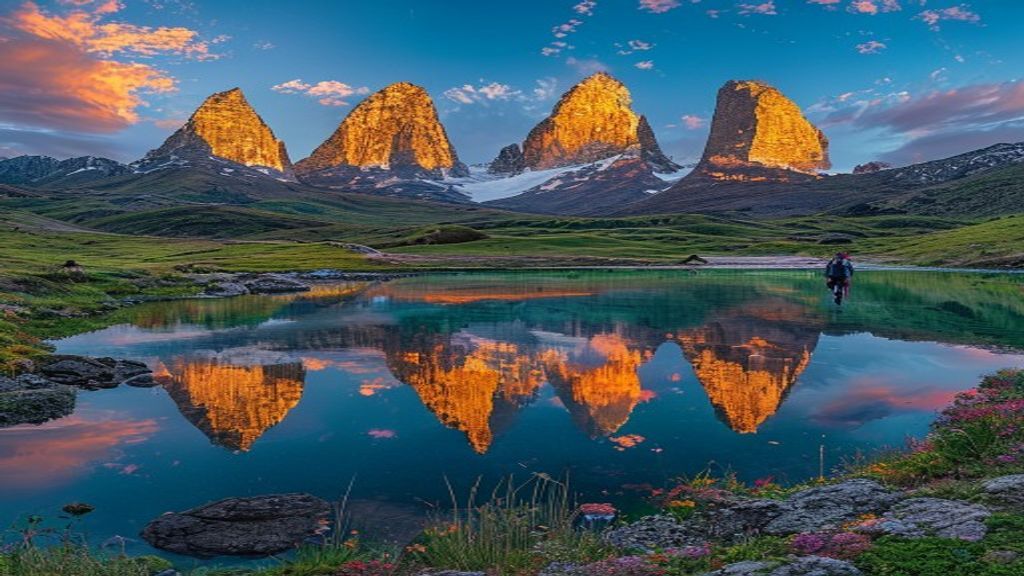
Few places on Earth stop you cold with their sheer, improbable beauty the way Torres del Paine does. Three granite towers jutting 2,800 meters into a sky that can cycle through sunshine, snow, and sideways rain in the same hour. Glaciers the color of turquoise milk. Pumas padding across the steppe at dawn. This is Chilean Patagonia — wild, remote, and utterly transformative.
But Torres del Paine is also increasingly popular, and without proper planning, you can find yourself without a bed in the middle of nowhere. This guide gives you everything you need to do it right.
🗺️ Choosing Your Route: W Trek vs. O Circuit
The W Trek (4–5 days) The W is the most popular route, named for its shape on the map. It covers the park’s three iconic highlights:
- Mirador Las Torres — the sunrise viewpoint of the iconic granite towers
- Valle del Francés — a glacial hanging valley flanked by avalanche-prone cliffs
- Glaciar Grey — a 270 km² glacier that calves blue icebergs into a steel-grey lake
The W is ideal for first-timers. It’s challenging but manageable (daily distances of 12–22 km), and the refugio (mountain hut) system means you don’t have to carry a full camping kit if you don’t want to.
The O Circuit (8–10 days) The O adds the remote, wild northern backside of the massif to the W route. Far fewer people, raw wilderness, and a genuine sense of expedition. You’ll need to carry camping gear for the northern section, navigate some technical river crossings, and be comfortable with multi-day self-sufficiency. Reward: you’ll see the park that 90% of visitors never reach.
Our recommendation: Do the W on your first visit. Return for the O — and you will return.
📅 When to Go
- Peak season (Dec–Feb): Best weather, longest days, but refugios and campsites book out months in advance. Expect wind gusts of 100+ km/h regardless.
- Shoulder season (Oct–Nov, Mar–Apr): Our pick. Fewer crowds, lower prices, stunning autumn colors in March–April. Weather is more unpredictable but rewards are greater.
- Off-season (May–Sep): Most refugios close. For experienced winter trekkers only.
Insider Tip: Book your refugios and campsites the moment they open for the following season — typically in June or July. VERTICE Patagonia and FANTASTICO SUR manage different sections; you’ll need to book both.
🏕️ Where to Sleep: Refugios vs. Camping
Refugios offer dormitory beds, hot showers, and hearty three-course dinners. They’re warm, social, and a lifesaver after a brutal day in the wind. Expect to pay $80–$130 USD per person per night with half-board (dinner + breakfast).
Camping (either at refugio sites or free wild camping in designated zones) is far cheaper at $10–$25 USD per site and gives you more flexibility. You’ll need a four-season tent rated for serious wind — this is not car camping.
Hybrid approach: Many trekkers do 2 refugio nights and 2 camping nights on the W, balancing comfort and cost.
Don’t miss: The refugio at Grey sits right on the glacier lake and offers some of the most surreal views you’ll ever eat dinner in front of.
🥾 The Towers Sunrise Hike: Doing It Right
The hike to Mirador Las Torres is the park’s marquee experience — but most people do it wrong. Here’s how to do it right:
- Start at 4:30–5:00 a.m. from Refugio Las Torres. The final 45-minute scramble up a boulder field is in darkness, but you’ll arrive at the mirador as the granite faces glow pink-orange with alpenglow. The crowds arrive 90 minutes later.
- Bring layers. The mirador sits at 2,600m and temperatures drop sharply before sunrise.
- Allow 7–9 hours for the full return hike from the refugio (20 km round trip, 800m elevation gain).
- Worst mistake: Skipping this hike because the weather looks bad in the morning. Patagonian weather changes violently — clouds can clear in 20 minutes. Go anyway.
⚠️ What to Avoid
- Lighting fires: Illegal everywhere in the park and a serious risk. A 2011 fire started by a tourist destroyed 17,000 hectares.
- Feeding wildlife: The park’s guanacos (llama relatives) and Andean condors are wild animals. Keep your distance.
- Underestimating the wind: Patagonian wind is legendary and can knock you off your feet on exposed ridges. Walking poles are not optional here.
- Booking last-minute: Arriving in January without reservations and hoping for the best is a recipe for sleeping in the car park in Puerto Natales.
- Ignoring blister prevention: The rocky terrain is unforgiving. Break in your boots at home and bring Compeed blister pads.
🎒 Essential Packing List
- Hardshell jacket and pants (waterproof, windproof — non-negotiable)
- Merino wool base layers (3 days’ worth minimum)
- Trekking poles (essential for the boulder scrambles)
- Gaiters (river crossings and muddy sections)
- Sunscreen SPF 50+ (UV radiation at this latitude is intense even on cloudy days)
- Headlamp + extra batteries
- Dry bags for electronics and sleeping bag
- Water filter or purification tablets (though most streams are drinkable)
💵 Budget Breakdown (W Trek, 5 Days)
| Expense | Budget Option | Mid-Range Option |
|---|---|---|
| Park entrance fee | $35 USD | $35 USD |
| Accommodation (5 nights) | $75 (camping) | $550 (refugios + HB) |
| Food & snacks (carried in) | $80 | $100 |
| Bus: Puerto Natales ↔ Park | $20 | $20 |
| Gear rental (if needed) | $50 | $0 (own gear) |
| Total | ~$260 USD | ~$705 USD |
Getting there: Fly into Punta Arenas (nearest international airport) or Puerto Natales (smaller, closer). Most trekkers base themselves in Puerto Natales the night before and take an early bus into the park.
🌄 Final Word
Torres del Paine will humble you. It will also, almost certainly, be one of the most spectacular things you ever do. The wind will steal your hat. Your legs will ache. You’ll eat lukewarm lentil soup in a refugio with strangers from six different countries and feel like you’ve known them for years. And on the morning you reach the mirador and the clouds part to reveal those three towers burning gold above a mirror-black lake — you’ll understand exactly why people keep coming back to the end of the world.