The Ultimate Tokyo Neighborhood Food Crawl: Eat Like a Local
A deep-dive guide to eating your way through Tokyo's most flavorful districts — from dawn ramen to midnight yakitori — with insider tips, budget breakdowns, and neighborhood-by-neighborhood recommendations.
The Ultimate Tokyo Neighborhood Food Crawl: Eat Like a Local
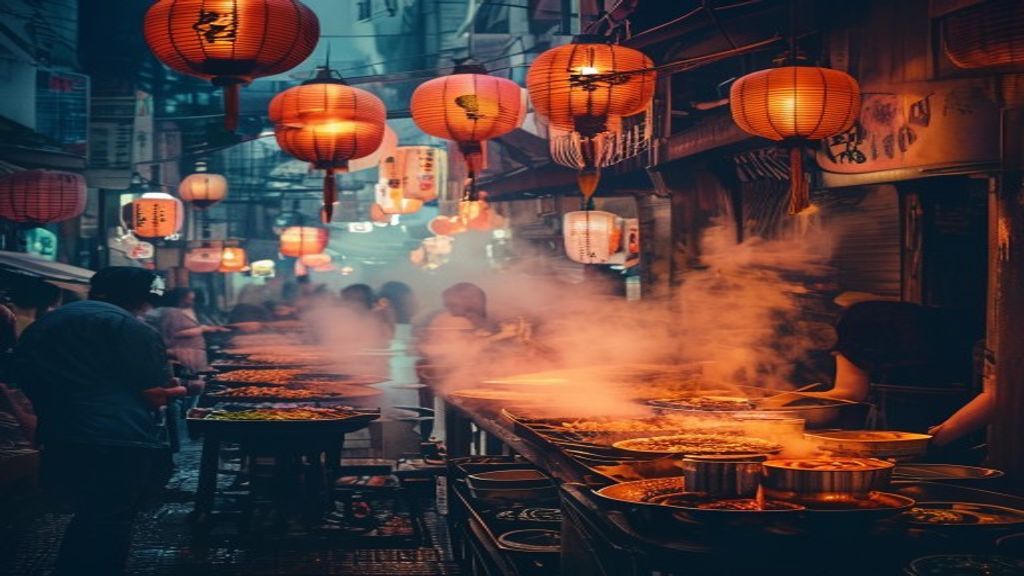
Tokyo has more Michelin-starred restaurants than any other city on Earth — but the real magic happens at a steamy ramen counter at 7am, or beneath the train tracks of Yurakucho where smoke-blackened yakitori skewers sizzle next to salarymen sharing cold Sapporo. This guide takes you through five iconic neighborhoods for an unforgettable, affordable, and deeply authentic Tokyo food crawl.
🍜 Shinjuku: The All-Night Ramen Capital
Start (or end) your crawl in Shinjuku, Tokyo’s electric, never-sleeping heart. The warren of alleyways known as Omoide Yokocho (Memory Lane) is ground zero for grilled chicken skewers, cold Asahi, and clouds of charcoal smoke. Don’t let the tourist reputation fool you — the food is legitimately excellent.
Must-try: Tonkotsu ramen at Fuunji (arrive before 11am to avoid the queue). Rich, creamy broth, perfectly chewy noodles, and a melt-in-your-mouth chashu pork.
Insider tip: The east exit of Shinjuku Station hides a basement ramen alley called Ramen Street — less photographed and packed with regional styles from Hokkaido to Kyushu.
Budget: ¥800–¥1,200 (~$6–$9 USD) for a full bowl.
🐟 Tsukiji Outer Market: The Breakfast of Champions
The inner market moved to Toyosu, but Tsukiji’s outer market remains one of the world’s greatest breakfast destinations. Arrive between 7–9am to hit peak freshness.
Must-try: Thick-cut tamagoyaki (Japanese rolled omelette) from Tamagoya, and an uni (sea urchin) rice bowl from any of the stalls along the main strip. Wash it down with a canned Boss coffee from the nearest vending machine — a true Tokyo morning ritual.
What to avoid: The rows of overpriced souvenir knives near the entrance. If you genuinely want a Japanese kitchen knife, walk deeper into the market for the working vendors who serve professional chefs.
Budget: ¥1,500–¥3,000 ($11–$22 USD) for a full breakfast spread.
🍣 Ginza & Shiodome: High-Low Sushi Magic
Ginza is synonymous with luxury, but you don’t need to drop ¥30,000 on omakase to eat world-class sushi here. Sushi Saito and its peers are bucket-list material, but so is the standing sushi bar Sushi-no-Midori at Ginza Six — expect a line, but a nigiri set here for ¥1,200 rivals restaurants at five times the price.
Insider tip: Many high-end sushi restaurants offer a lunch omakase (chef’s choice tasting menu) at a fraction of the dinner price — typically ¥4,000–¥8,000 vs. ¥20,000+ at dinner. Book 2–4 weeks ahead on Tableall or Omakase.jp.
Budget: ¥1,200 (standing bar) to ¥8,000 (lunch omakase).
🍢 Shibuya & Daikanyama: Modern Tokyo Bites
For a taste of contemporary Tokyo food culture, wander from Shibuya toward Daikanyama and Nakameguro. This leafy, canal-lined neighborhood is home to independent cafes, Japanese-French fusion, and one of the world’s most beautiful bookshops-cum-coffee bars: Daikanyama T-Site.
Must-try: Kakigori (Japanese shaved ice) from Kooriya Peace — towering, pastel clouds of ice flavored with yuzu, hojicha, or seasonal fruit. In May 2026, the sakura strawberry flavor is sublime.
Street snack: Grab a freshly piped melon pan (sweet bun) from a street bakery near Shibuya crossing — warm, crispy-topped, and only ¥200.
Budget: ¥500–¥2,000 per stop.
🔥 Yurakucho: Yakitori Under the Tracks
Save your final stop for Yurakucho, just south of Tokyo Station, where low-slung izakayas crowd beneath the rumbling overhead rail tracks. Order a cold beer, a plate of tsukune (chicken meatball skewers with egg yolk dipping sauce), negima (chicken and spring onion), and grilled ginkgo nuts. This is old-school Tokyo at its most atmospheric.
Insider tip: Sit at the open counter facing the grill. Point at what looks good — most stall owners are happy to guide you even with a language gap.
Budget: ¥2,000–¥3,500 per person with drinks.
💴 Full Crawl Budget Summary
| Stop | Cost (per person) |
|---|---|
| Tsukiji Breakfast | ¥1,500–¥3,000 |
| Tsukiji to Ginza Sushi | ¥1,200–¥8,000 |
| Shibuya/Daikanyama snacks | ¥500–¥2,000 |
| Shinjuku Ramen | ¥800–¥1,200 |
| Yurakucho Yakitori + Drinks | ¥2,000–¥3,500 |
| Total | ¥6,000–¥17,700 (~$45–$130 USD) |
📍 Practical Tips
- IC Card (Suica/Pasmo): Load ¥3,000–¥5,000 for seamless transit and convenience store payments.
- Translation: Google Translate’s camera mode handles menus with 90% accuracy.
- Reservations: Use Tableall, Omakase.jp, or Pocket Concierge for high-end spots. Book at least 2 weeks out.
- Hours: Many ramen and sushi spots close between 2–5pm. Plan your timing carefully.
- Etiquette: Slurping noodles is polite. Tipping is not practiced — and can be mildly offensive.
Tokyo’s food scene rewards the curious and the hungry. Go slowly, eat often, and let the neighborhoods lead you somewhere unexpected.