Patagonia on Foot: The Complete Trekker's Guide to Torres del Paine
Everything you need to plan an unforgettable trek through Chile's Torres del Paine National Park — from choosing the W Trek vs. the Full Circuit to campsite bookings, gear lists, and the best hidden viewpoints most hikers miss.
Patagonia on Foot: The Complete Trekker’s Guide to Torres del Paine
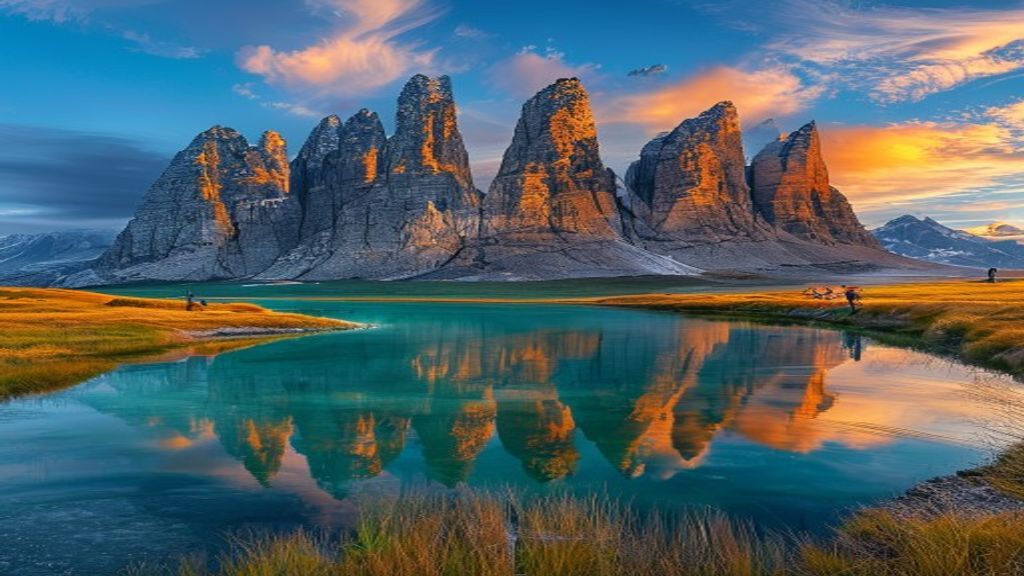
Few places on Earth stop you mid-stride and force you to just stare. Torres del Paine — the jagged granite towers, the electric-blue glacial lakes, the sky that changes from violent storm to golden clarity in twenty minutes — is one of them. Located in Chile’s southernmost Patagonia region, this UNESCO Biosphere Reserve draws over 150,000 trekkers a year, and for good reason. This guide will help you plan it right, hike it smart, and experience it beyond the Instagram highlights.
Choosing Your Route: W Trek vs. Full Circuit
The two main options are:
The W Trek (4–5 days) Named for its shape on a map, the W covers the park’s three most dramatic highlights:
- The Base of the Towers (Las Torres)
- The Valley of the French Giant (Valle del Francés)
- Grey Glacier
This is the right choice for first-timers, those with limited time, or hikers who prefer established campsites and refugios (mountain huts with meals and beds). Total distance: ~80 km.
The Full Circuit (8–11 days) Adds the remote, windswept backside of the massif to the W. Far fewer hikers, dramatically lonelier landscapes, and the incomparable Paso John Gardner — a high mountain pass with views over the Southern Patagonian Ice Field that will reframe your sense of scale permanently. Requires strong fitness, full camping gear, and solid weather tolerance. Total distance: ~130 km.
Insider Tip: If you can only do one extra day beyond the W, add the Mirador Italiano detour in Valle del Francés and push all the way to the upper viewpoint. Most hikers stop halfway. Don’t.
Booking: Do This First, Everything Else Second
This is the single most important piece of advice in this guide: book your campsites and refugios the moment your travel dates are confirmed. The park operates on a strict reservation system managed by CONAF (for free campsites) and Vertice Patagonia / Las Torres (for paid sites and refugios). Peak season spots (November–February) sell out 6–8 months in advance.
- Refugio beds (dorm-style with meals): $120–$220 USD/night
- Refugio campsites (tent spot + use of facilities): $25–$50 USD/night
- Free CONAF campsites (Dickson, Los Perros, Paso): Book via reservas.torresgelpaine.cl — open fires are strictly prohibited
What to Avoid: Showing up without reservations between November and February. Rangers will turn you away at the park entrance. It happens more than you’d think.
Day-by-Day Highlights (W Trek, East to West)
Day 1 — Laguna Amarga → Chileno Camp The approach to the towers is long and gradual, crossing open pampa. Camp at Chileno.
Day 2 — Mirador Las Torres (the money shot) Set your alarm for 4:30 AM. Hike 2.5 hours to the base of the towers in the dark and arrive at dawn. The granite spires catch the first light in shades of orange and rose. Every second of sleep deprivation is worth it. Return to Chileno, continue to Los Cuernos.
Day 3 — Valle del Francés The most varied day of the trek. Hanging glaciers calve above you, condors circle on thermals, and the wind can knock you sideways on the ridge. Push to the upper mirador.
Day 4 — Paine Grande → Grey Glacier The walk along Lago Grey rewards patience. The glacier is vast, ancient, and deeply blue where it fractures. Spend time here — most people rush through.
Day 5 — Exit via Catamaran A catamaran crosses Lago Grey back to Pudeto (book in advance — $40 USD). From Pudeto, a bus returns you to Puerto Natales.
Gear Essentials for Patagonia
Patagonia’s weather is notoriously brutal. Prepare for all four seasons in one day.
✅ Must-have:
- Hardshell waterproof jacket (Gore-Tex or equivalent) — non-negotiable
- Trekking poles (the wind on exposed ridges will unbalance you)
- Gaiters
- Merino wool base layers
- Sun protection (UV is intense at this latitude)
- Dry bags for all electronics and sleep gear
❌ Leave at home:
- Cotton anything
- Umbrellas (they will be destroyed)
- Overweight camera setups (your phone is fine; your back will thank you)
Budget Breakdown
| Item | Estimated Cost (USD) |
|---|---|
| Park entrance fee | $35 (high season) |
| Bus Puerto Natales → Park | $12–$18 each way |
| Refugio dorm + meals | $150–$220/night |
| Refugio campsite | $25–$50/night |
| Grey Glacier catamaran | $40 |
| Gear rental in Puerto Natales | $20–$50/day |
| Total W Trek (mid-range) | $600–$1,100 |
Base Camp: Puerto Natales
Spend at least one night before and after your trek in Puerto Natales, a small, windy, utterly charming town 112 km from the park entrance.
- Eat at: Aldea Nativa — fantastic lamb stew (Patagonian lamb is famous for good reason) and local craft beer. Budget ¥~$25 USD per person.
- Gear up at: Erratic Rock outfitters — they also run a free daily trekker briefing at 3 PM that’s worth attending even if you think you know everything.
- Stay at: The Singular Patagonia (splurge) or Amerindia Hostel (budget, excellent communal kitchen).
Best Time to Visit
| Season | Conditions | Crowds |
|---|---|---|
| Nov–Feb (Summer) | Most stable weather, longer days | Very high |
| Mar–Apr (Fall) | Stunning autumn color, calmer winds | Moderate |
| May–Aug (Winter) | Many services closed, extreme cold | Very low |
| Sep–Oct (Spring) | Wildflowers, fewer crowds, unpredictable | Low–moderate |
WanderWise Pick: Late March to mid-April. The lenga beech trees turn copper and gold, the winds ease slightly, and you’ll share the trail with far fewer people.
Torres del Paine will test your legs, your gear, and your patience — and then, on some perfect evening when the light goes golden over the Cuernos and there’s no one else on the trail, it will give it all back to you tenfold. Start planning now. The mountains aren’t going anywhere, but your campsite reservation might.