Patagonia on a Budget: The Essential Torres del Paine Trekking Guide
Everything you need to plan an unforgettable trek through Chile's Torres del Paine National Park — from choosing between the W and O circuits to campsites, gear, costs, and the golden rules of Patagonian hiking.
Patagonia on a Budget: The Essential Torres del Paine Trekking Guide
Few landscapes on Earth stop you in your tracks the way Patagonia does. The jagged granite towers, electric-blue glaciers, and howling winds of Torres del Paine National Park in Chilean Patagonia have become a pilgrimage for trekkers worldwide — and for good reason. But this wild corner of the planet demands respect, preparation, and a solid plan. Here’s everything you need to know before you lace up your boots.
Choosing Your Route: W Circuit vs. O Circuit
The park’s two main multi-day routes suit different levels of ambition.
The W Circuit (4–5 days) is the most popular route and traces a W-shape across the park’s highlights: the Base of the Towers, the Valley of the French, and the Grey Glacier. It’s challenging but manageable for fit hikers with some trail experience. Total distance: ~80 km.
The O Circuit (8–10 days) adds the park’s remote “back side” to the W, looping entirely around the Paine Massif. You’ll see almost no one on the northern stretch — just raw Patagonian wilderness, condors, and guanacos. Total distance: ~130 km. This route requires genuine fitness, experience with variable weather, and solid navigation skills.
Recommendation for first-timers: Do the W. It delivers the park’s most iconic viewpoints and is logistically simpler. Come back for the O.
When to Go
The trekking season runs October through April (Southern Hemisphere spring/summer). Peak season is December–February — expect crowds, higher prices, and campsite bookings sold out months in advance.
Sweet spots: Late October to mid-November or March to early April. Fewer crowds, shoulder-season prices, and the autumn light in March is genuinely magical — golden pampas grass, russet lenga beech trees, and crisp blue skies.
What to avoid: July–August. The park is technically open but many services close, trails can be icy and dangerous, and the darkness is brutal.
Booking Campsites & Refugios
This is the most critical logistical step. Campsites and refugios (mountain huts with dormitory beds and meals) must be booked in advance — sometimes 6+ months ahead for peak season. The two main operators are:
- CONAF (free campsites, basic facilities): Book at reservas.conaf.cl
- Vertice Patagonia & Fantastico Sur (paid campsites and refugios): Book directly on their websites
Typical nightly costs:
- Free CONAF campsite: $0 (park entrance fee applies)
- Paid campsite: $15–$25 USD
- Refugio dormitory bed (includes breakfast & dinner): $80–$120 USD
- Refugio private room: $150–$250 USD
Park entrance fee (as of 2026): Approximately $35–$55 USD depending on season. Pay online in advance.
Getting There
The gateway cities are Puerto Natales (Chile) — 112 km from the park — and Punta Arenas, a 3-hour bus ride from Puerto Natales.
- Fly into Punta Arenas (PUQ) from Santiago (LAN/LATAM has daily flights, ~$120–$250 round trip from Santiago).
- Take a bus from Punta Arenas to Puerto Natales (~$10–$15 USD, 3 hours).
- Take a park transfer bus from Puerto Natales to the park entrance (~$20–$30 USD each way). Several daily departures in season.
Puerto Natales is your base for pre/post-trek logistics. Spend a night here to finalize gear, buy food, and rest before the trail.
Gear Essentials
Patagonia’s weather is legendarily unpredictable. In a single day you may experience sun, horizontal rain, 80 km/h winds, and hail. Pack accordingly.
- Waterproof jacket and pants — non-negotiable
- Trekking poles — essential for river crossings and steep descents
- Layers: moisture-wicking base, insulating mid-layer (fleece or down), hardshell outer
- Gaiters — for muddy trails
- Sleeping bag rated to -5°C if camping
- Sunscreen (SPF 50+) — the UV at southern latitudes is intense
- Dry bags for electronics and sleeping gear
Gear rental is available in Puerto Natales if you’re traveling light. Expect to pay $15–$40/day for key items.
Food & Resupply Strategy
If staying in refugios, meals are included — done. If camping, you’ll carry all food.
Buy provisions in Puerto Natales, not in the park (where prices are extreme). Stock up on:
- Instant oatmeal, energy bars, nuts, and dried fruit for trail snacks
- Dehydrated meals or pasta/rice for dinners
- Instant coffee — you’ll need it at 6 AM in a howling wind
Budget $8–$15/day for self-catered food on the trail.
Iconic Moments Not to Miss
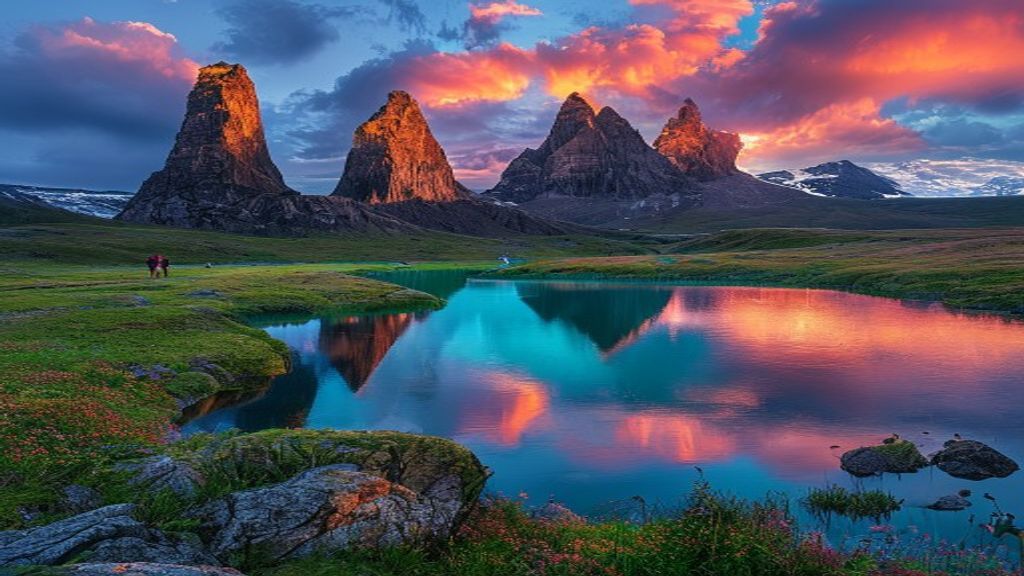
- Sunrise at the Base of the Towers: Wake at 4:30 AM, hike 2.5 hours in the dark, and watch the first light turn the granite towers from grey to flaming orange. One of the world’s great travel experiences.
- French Valley Lookout: A steep detour from the W’s central arm, rewarded with views of hanging glaciers and cascading waterfalls.
- Grey Glacier: Stand at the edge of a river of ancient blue ice. Kayak tours are available from Grey Refugio (~$80 USD) for a close-up view.
What to Avoid
- Open fires — strictly prohibited in the park (wildfires have devastated sections of it). Use camp stoves only.
- Underestimating wind — it can literally knock you off your feet on exposed ridges. Crouch, use poles, and wait it out.
- Skipping the sunrise hike because you’re tired. Push through. You’ll regret it forever if you don’t.
- Booking last minute in peak season — you will not find a campsite and may be turned away at the park entrance.
Total Budget Estimate (W Circuit, 5 days)
| Expense | Budget Option | Comfort Option |
|---|---|---|
| Park entrance | $45 | $45 |
| Campsites (5 nights) | $0–$100 | $400–$600 (refugios) |
| Food | $50–$75 | Included in refugio rate |
| Transport (Punta Arenas–park) | $50 | $50 |
| Gear rental | $0–$80 | $0–$80 |
| Total (approx.) | $145–$350 | $495–$775 |
Patagonia is not cheap, but it is worth every single peso. Plan early, pack smart, and prepare to have your breath taken away — by the scenery, and occasionally by the wind.