Japan Rail Pass Mastery: The Complete Guide
Everything you need to know about Japan's rail system — from choosing the right pass to navigating the Shinkansen like a local.
The Greatest Train System on Earth, Decoded
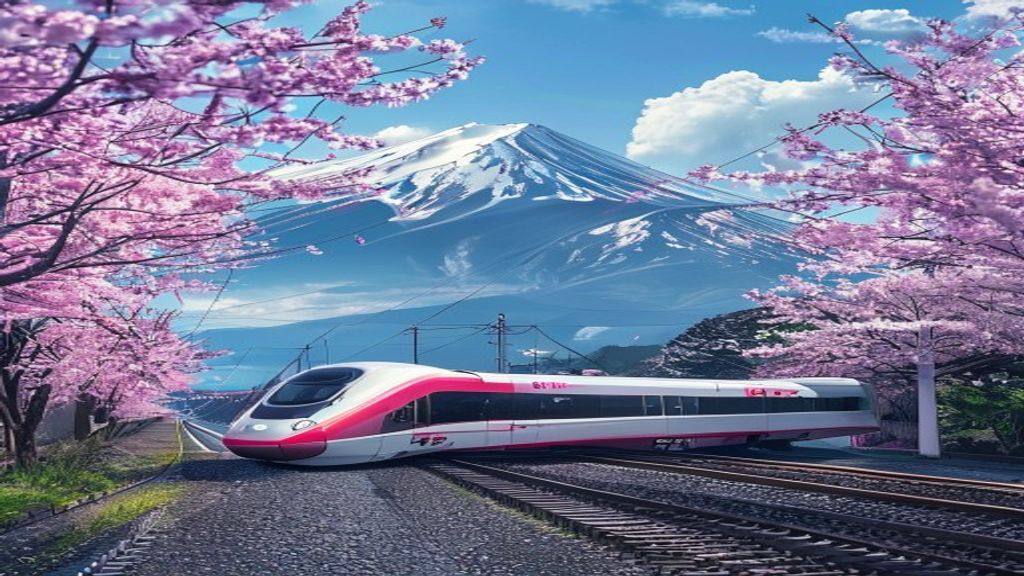
Japan’s rail network is a marvel of engineering, punctuality, and quiet efficiency. The Shinkansen (bullet train) runs at up to 320 km/h and arrives, on average, within six seconds of its scheduled time. Local trains connect every corner of the country with a reliability that borders on the obsessive. And for visitors, the Japan Rail Pass transforms this entire network into an all-you-can-ride buffet at a fraction of the per-trip cost.
But the system is also complex, with multiple operators, pass types, reservation systems, and unwritten rules of etiquette. This guide cuts through the confusion.
Do You Need a Rail Pass?
Not always. The pass is economical only if you are making multiple long-distance trips. Here is the quick math:
- Tokyo to Kyoto (Shinkansen): ~14,000 yen one way
- 7-day Japan Rail Pass: ~50,000 yen (ordinary car)
- Break-even point: Roughly 2 round trips between major cities within 7 days
If you are spending your entire trip in one city, or only making one intercity journey, individual tickets or regional passes will be cheaper. If you are doing the classic Tokyo-Kyoto-Osaka-Hiroshima circuit, the pass pays for itself within the first three days.
Which Pass to Choose
The National JR Pass covers all JR lines nationwide, including most Shinkansen routes (except Nozomi and Mizuho, the fastest trains on the Tokaido/Sanyo line — you must take the Hikari or Sakura instead, which are only marginally slower).
- 7-day: ~50,000 yen
- 14-day: ~80,000 yen
- 21-day: ~100,000 yen
Regional passes cover specific areas and are often better value for focused itineraries:
- JR East Tohoku Area Pass — Perfect for day trips from Tokyo to Nikko, Karuizawa, or the ski resorts
- JR West Kansai Area Pass — Covers Osaka, Kyoto, Nara, Kobe, and Himeji
- JR Kyushu Pass — Explores the southern island, including Fukuoka, Nagasaki, and the volcanic landscapes of Kagoshima
- Hokkaido Pass — Essential for exploring Japan’s northern wilderness
How to Buy and Activate
As of recent changes, you can now purchase the JR Pass both online (through the official JR website) and at major JR stations in Japan. However, buying online in advance is recommended — it is slightly cheaper and guarantees availability.
Activation tip: Do not activate your pass on an arrival day when you will only take the airport express. Activate it the day you make your first big Shinkansen trip to maximize value.
Seat Reservations — Free and Worth It
Your JR Pass entitles you to free seat reservations on most Shinkansen and limited express trains. Use them. Here is why:
- Popular routes (Tokyo-Kyoto, especially on Friday evenings and during holidays) sell out reserved seats. Unreserved cars can mean standing for two hours.
- Reserve at any JR ticket office (midori-no-madoguchi) or at the green ticket machines (English language option available). The process takes two minutes.
- Reserved seats guarantee a window or aisle preference and a specific car number — important when platforms are long and train stops are brief.
Exception: On local and rapid trains, all seats are unreserved. Just board and sit.
Navigating Like a Local
Apps You Need
- HyperDia or Jorudan — Train schedule and route planners. Enter origin and destination, and they return every possible route with transfer times, platform numbers, and costs. Indispensable.
- Google Maps — Surprisingly good for Japanese transit, including walking directions to and from stations.
- Japan Official Travel App — Offline maps and route planning for when you lose signal in rural areas.
Station Navigation
Major stations (Tokyo, Shinjuku, Osaka, Kyoto) are cities unto themselves — hundreds of exits, dozens of platforms, and underground shopping malls that extend for kilometers. Tips for survival:
- Follow the color codes. Each line has a designated color, and signs use it consistently.
- Platform numbers are logical. Odd-numbered platforms typically serve one direction, even the opposite. Signs always indicate the terminal station (the last stop on the line — learn the terminal name for your direction).
- Ekiben (station bento boxes) are a Japanese institution. Buy one before boarding the Shinkansen and eat it at your seat. Every station specializes in regional ingredients. The Tokyo Station ekiben shops alone offer over 200 varieties.
Etiquette That Matters
- Keep your phone on silent (manner mode) on all trains. Phone conversations are not permitted on Shinkansen.
- Do not eat on local trains. Eating is acceptable on Shinkansen and long-distance limited expresses only.
- Queue at marked positions on the platform. Lines form at exact door positions, and boarding is orderly. Cutting the queue is a serious social violation.
- Give up priority seats (marked in a different color, usually near the ends of cars) for elderly, pregnant, or disabled passengers.
- Keep luggage compact. Shinkansen have overhead racks and, on newer trains, luggage reservation areas behind the last row of seats. Book a luggage spot online if you have large suitcases.
The Secret Routes
Beyond the main Shinkansen corridors, Japan’s rail network holds some extraordinary scenic journeys:
- Sagano Scenic Railway (Kyoto): A slow train through the Hozugawa river gorge, brilliant in autumn
- Gono Line (Tohoku): Hugs the Sea of Japan coast between Akita and Aomori, passing through fishing villages frozen in time
- Ibusuki no Tamatebako (Kyushu): A quirky designed train running along the Kagoshima coast to the sand-bath hot springs of Ibusuki
- Tadami Line (Fukushima): Crosses a series of bridges over emerald rivers and misty valleys — one of the most photographed rail routes in the world
Build these into your itinerary. They are not just transportation — they are destinations.
The Bottom Line
Japan’s rail system rewards preparation but forgives mistakes. Miss a train? The next one is in twelve minutes. Get on the wrong train? Get off at the next station and backtrack. The network is designed with a level of user-friendliness that makes even first-time visitors feel competent within a day.
Buy the pass if the math works. Download the apps. Eat the ekiben. And enjoy the view — at 320 km/h, it changes fast.