Hiking the Faroe Islands: A Complete Outdoor Adventure Guide
Everything you need to plan an unforgettable hiking adventure in the Faroe Islands — from dramatic sea-cliff trails and hidden waterfalls to packing essentials, permit rules, and budget tips for 2026.
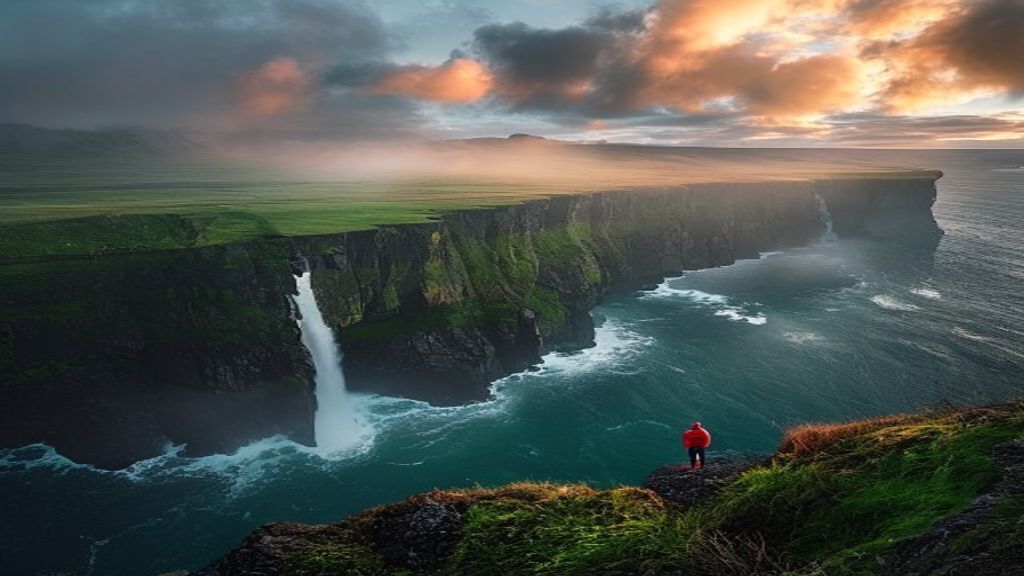
Hiking the Faroe Islands: A Complete Outdoor Adventure Guide
Perched in the North Atlantic between Norway and Iceland, the Faroe Islands are one of the most dramatically beautiful places on the planet. Eighteen volcanic islands draped in impossibly green grass, sheared by thousand-foot sea cliffs, and wrapped in swirling mist — this is hiking at its most primal and awe-inspiring. And yet, it remains surprisingly accessible.
This guide covers everything you need to know to lace up your boots and explore the Faroes responsibly in 2026.
Why the Faroe Islands?
The Faroes offer something increasingly rare in modern travel: genuine wildness without extreme remoteness. You can fly in from Copenhagen in 2 hours, rent a car, and within 30 minutes be standing on a cliff edge with nothing between you and the Arctic Ocean. The islands have invested heavily in sustainable hiking infrastructure in recent years, with marked trails, new footbridges, and a growing system of trail fees that fund conservation.
The Best Hikes, Ranked
🥇 Trælanípa & Sørvágsvatn (Vágar Island)
Difficulty: Moderate | Distance: 8 km round trip | Time: 3–4 hours
This is the Faroes’ most iconic image: Lake Sørvágsvatn, which appears to hang impossibly above the ocean from the right vantage point. The hike to Trælanípa (Slave Cliff) rewards you with that jaw-dropping optical illusion, plus sheer 142-meter drops straight into the Atlantic.
Permit required: Yes. Book via faroeislands.fo — slots fill weeks in advance in summer. Cost: 200 DKK (~$28 USD) per person, includes a guided segment.
Insider tip: Book the first slot of the day (8:00 AM). You’ll have the cliff to yourself for the first 20 minutes, and the morning mist creates an almost surreal atmosphere.
🥈 Slættaratindur — The Highest Peak in the Faroes
Difficulty: Moderate–Challenging | Distance: 7 km round trip | Time: 3–5 hours | Elevation: 882 m
Located on Eysturoy island, Slættaratindur is the archipelago’s highest point. On a clear day, you can see every island in the chain. The ascent is steep but non-technical — sturdy trail shoes or light hiking boots are sufficient.
What to bring: Layered clothing is non-negotiable. Weather can shift from sunshine to horizontal rain in under 10 minutes. A waterproof shell jacket is your single most important piece of gear.
Best time: July and August offer the longest daylight (up to 19 hours of usable light), but shoulder seasons (May–June, September) have fewer hikers and more dramatic skies.
🥉 Kallur Lighthouse, Kalsoy Island
Difficulty: Moderate | Distance: 10 km round trip | Time: 4–5 hours
Reaching Kalsoy requires taking a small ferry from Klaksvík — itself part of the adventure. The trail to Kallur Lighthouse winds along dramatic ridgelines above sea stacks and nesting puffin colonies, ending at a lonely red-and-white lighthouse perched on the island’s northernmost tip.
Insider tip: The ferry runs only a few times per day. Check the timetable on ssl.fo and plan your hike to catch the last return sailing. Missing it means an unplanned overnight stay — charming in theory, stressful in practice.
Puffin season: June–August. The birds nest in burrows along the cliffside path and are remarkably unbothered by hikers.
Bonus: Gásadalur & Múlafossur Waterfall
Difficulty: Easy | Distance: 2 km (from village) | Time: 45 minutes
The tiny village of Gásadalur was only connected to the rest of Vágar Island by road in 2004. Its waterfall, Múlafossur, plunges directly into the ocean below the village — a short, easy walk and one of the most photographed scenes in the entire North Atlantic.
Best for: Families, beginners, or a golden-hour evening walk after the Sørvágsvatn hike.
What to Pack
- Waterproof jacket and trousers (essential — not optional)
- Merino wool base layers (regulate temperature in rapidly changing conditions)
- Hiking boots with ankle support (trails are often wet and uneven)
- Trekking poles (steep descents on wet grass are the leading cause of slips)
- Headlamp (even in summer, some hikes run long)
- Snacks and water (very few trails have services)
- Downloaded offline maps (Maps.me or AllTrails work well; signal is patchy)
Getting Around
The Faroes’ Sub-Sea Tunnel network connects most major islands, making a rental car the most flexible option (~600–900 DKK/day, ~$85–$125 USD). The public bus system (ssl.fo) is reliable on main routes but won’t get you to trailheads. Ferries to Kalsoy, Mykines, and Suðuroy are scenic and well-run.
Budget Breakdown (Per Person, Per Day)
| Category | Estimated Cost |
|---|---|
| Accommodation (guesthouse/hostel) | 600–1,200 DKK (~$85–$170) |
| Meals (self-catering from Bonus supermarket) | 150–250 DKK (~$21–$35) |
| Meals (local restaurant) | 250–500 DKK (~$35–$70) |
| Trail permits (where applicable) | 100–300 DKK (~$14–$42) |
| Car rental (split between 2) | 300–450 DKK (~$42–$63) |
Budget range: ~$160–$250/day | Mid-range: ~$250–$400/day
Responsible Hiking — The Faroese Way
The Faroe Islands have introduced trail fees and permits partly because the land is often privately owned and partly to fund ongoing maintenance. Always:
- Stay on marked trails. Straying onto farmland or nesting areas is illegal and genuinely harmful.
- Carry out all waste. There are no bins at trailheads.
- Respect closures. Some trails close during lambing season (April–May) and seabird nesting.
- Book permits in advance for regulated hikes. Walk-ins are increasingly not accepted.
When to Go
| Season | Pros | Cons |
|---|---|---|
| May–June | Lush green, puffins arrive, fewer crowds | Unpredictable weather |
| July–August | Peak daylight, warmest temps, all trails open | Busiest, permits scarce |
| September–October | Golden light, dramatic storms, fewer tourists | Shorter days, some closures |
| November–March | Northern lights possible, almost no tourists | Many trails dangerous, limited daylight |
The Faroe Islands will humble you, soak you, and leave you completely spellbound. Pack your rain jacket, book your permits early, and prepare to discover one of Europe’s last great wild frontiers.