Zhangjiajie, China: Walking Among the Floating Mountains
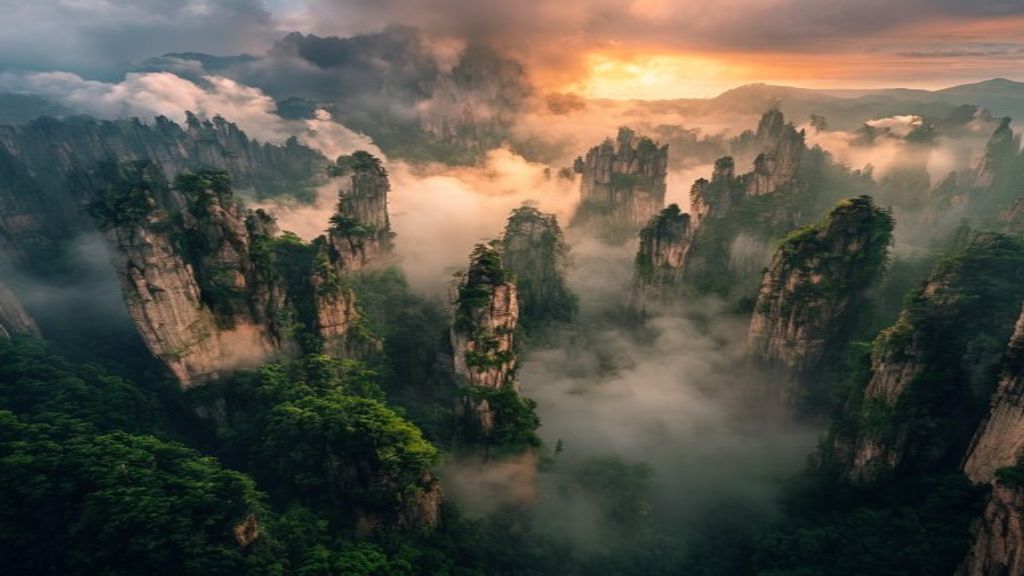
The ancient sandstone pillars of Zhangjiajie soar hundreds of meters into mist-swirled clouds, creating a landscape so otherworldly it inspired the floating Hallelujah Mountains of Avatar — and the real thing is even more breathtaking than the film. This remote corner of Hunan Province is one of Earth's most surreal natural spectacles.
Zhangjiajie, China: Walking Among the Floating Mountains
There are landscapes that seem to belong to another world, and then there is Zhangjiajie. Deep in the Hunan Province of south-central China, more than 3,000 towering quartzite sandstone pillars erupt from the forest floor, many of them hundreds of meters tall, their sheer faces draped in subtropical vegetation and their peaks vanishing into shifting curtains of cloud. When James Cameron’s art team needed inspiration for the floating mountains of Pandora in Avatar, they looked here — and the finished film barely captures the visceral strangeness of standing among these giants in real life.
Why Zhangjiajie is Extraordinary
Zhangjiajie National Forest Park, established in 1982 as China’s first national forest park, protects a landscape forged over hundreds of millions of years. Ancient quartz sandstone was sculpted by water, wind, and the relentless pull of gravity into an forest of isolated spires, ravines, and natural bridges. Waterfalls thread between the columns, ancient Tujia ethnic villages cling to valley floors, and the biodiversity — including rare giant salamanders and clouded leopards — is staggering. It is simultaneously geology, ecology, and pure theater.
Must-See Spots
- Avatar Hallelujah Mountain (Southern Sky Column): The single most photographed pillar in the park, renamed in honor of the film. Best viewed in early morning when mist pools in the valleys below.
- Tianmen Mountain: A separate — and spectacular — attraction in the city itself. A 99-turn mountain road, a vertiginous glass-bottomed walkway clinging to sheer cliff faces, and Tianmen Cave, a massive natural arch you can walk through.
- Zhangjiajie Grand Canyon Glass Bridge: When it opened, it was the world’s longest and highest glass-bottomed suspension bridge. Walking above a 300-meter gorge on transparent glass panels is not for the faint-hearted.
- Yuanjiajie Plateau: The elevated plateau area within the park offers the most iconic panoramic views of the pillar forests, accessible by elevator (the Bailong Elevator, the world’s tallest outdoor elevator, cuts right through the cliff face).
- Baofeng Lake: A serene lake tucked inside the park, ringed by karst peaks. Boat rides glide past soaring cliff faces with waterfalls dropping directly into the water.
- Wulingyuan Scenic Area: The broader UNESCO World Heritage Site surrounding the park offers quieter trails away from main tourist crowds, with genuinely remote hiking through untouched forest.
Best Time to Visit
April to June (spring) and September to November (autumn) are the sweet spots. Spring brings lush greenery, wildflowers, and atmospheric morning mist. Autumn turns the forest gold and crimson, with clearer skies and cooler temperatures ideal for hiking. October is the most popular month — beautiful but crowded. July and August are hot and humid but alive with dramatic afternoon thunderstorms that roll through the pillars in spectacular fashion. Winter brings occasional snow that transforms the park into something ethereal and nearly empty of visitors.
Practical Tips
- Getting there: Zhangjiajie Hehua International Airport connects to major Chinese cities. High-speed rail from Changsha (Hunan’s capital) takes around 2 hours and offers stunning scenery.
- Park size: Wulingyuan is vast — plan a minimum of 3 full days to explore properly without rushing. A 4–5 day visit is ideal.
- Avoid Golden Week: Chinese national holidays (especially the first week of October and Chinese New Year) bring enormous crowds. Book accommodation months in advance if visiting during these periods.
- Cable cars vs. hiking: The park has multiple cable cars that save considerable time and energy, but the best moments often happen on foot on quieter forest trails. Do both.
- Accommodation: Stay in Wulingyuan town (inside the park gateway) rather than Zhangjiajie city for convenience and proximity to early-morning viewpoints at their misty, magical best.
- Guided tours: A local guide — especially one from the indigenous Tujia community — adds extraordinary cultural and ecological depth to the experience.
Zhangjiajie is a reminder that no matter how much of the world you think you’ve seen, the Earth still holds wonders capable of stopping you completely in your tracks.