The Eternal Glow of Cartagena, Colombia
Cartagena de Indias is a city that seems to have been dipped in gold — its walled colonial center blazes with bougainvillea, candlelit plazas, and centuries of Caribbean history that refuse to fade. South America's most romantic city is hiding in plain sight, and it rewards every traveler who slows down long enough to truly see it.
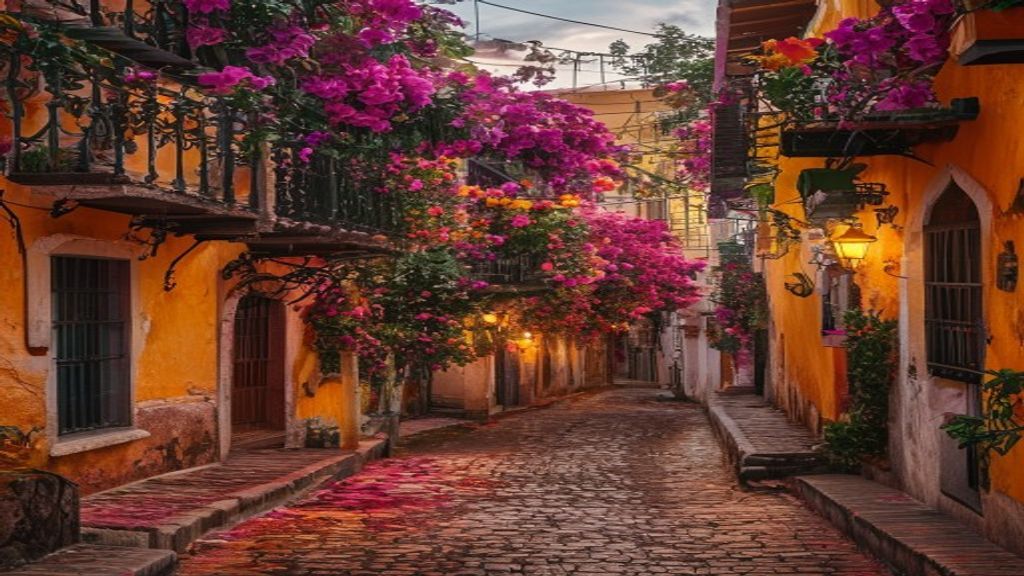
The Eternal Glow of Cartagena, Colombia
There is a moment that happens to almost every visitor to Cartagena’s walled city. It occurs just after sunset, when the stone ramparts of the Murallas turn amber in the last light, the Caribbean breeze carries the sound of vallenato from an open window, and a woman in a towering fruit-basket headdress — a palenquera — passes by in a dress of electric yellow. In that moment, you understand why Gabriel García Márquez set his most achingly romantic novel here. This city is magic realism made real.
What Makes Cartagena Special
Founded in 1533, Cartagena was once the most important port in the Spanish colonial empire — the gateway through which the wealth of an entire continent flowed toward Europe. Pirates, privateers, and the English navy all tried and mostly failed to take it. The fortifications they couldn’t break still stand today, forming one of the best-preserved walled cities in the Americas and a UNESCO World Heritage Site since 1984.
But Cartagena is not a museum. It breathes. The El Centro neighborhood pulses with boutique hotels converted from colonial mansions, rooftop bars where DJs play cumbia remixes, and restaurants where chefs are reinterpreting Caribbean coastal cuisine in extraordinary ways. The Getsemaní neighborhood — once overlooked, now electric — is a canvas of political murals and communal plazas where locals and travelers share plastic chairs and cold Club Colombia beers long into the night.
Must-See Spots
- Castillo San Felipe de Barajas — The most formidable fortress in the Americas. Its labyrinthine tunnels and sheer scale are awe-inspiring. Visit at sunrise to beat the heat and the crowds.
- Las Murallas (The City Walls) — Walk the entire perimeter at sunset. The view of the Caribbean on one side and the glowing city on the other is unforgettable.
- Plaza de Santo Domingo — The beating heart of the old city. Fernando Botero’s famously rotund bronze woman (La Gorda) presides over outdoor restaurants and street musicians.
- Getsemaní — The soul of modern Cartagena. Trinidad Square fills nightly with locals playing dominoes and dancing. The street art here rivals anything in Bogotá or Medellín.
- Islas del Rosario — A 45-minute boat ride from the city brings you to a national park of coral islands with turquoise water so clear it looks digitally enhanced.
- Mercado de Bazurto — Not for the faint of heart, but an honest, sensory-overwhelming experience of real Cartagena life. Come for fresh seafood and freshly blended tropical fruit juices.
Best Time to Visit
Cartagena is hot year-round (expect 28–34°C / 82–93°F), but the dry season from December through April is generally considered ideal — lower humidity, less rain, and the city at its most festive. January and February are peak season; book accommodation months in advance. The Hay Festival (usually late January) draws literary luminaries from across the world in honor of the city’s most famous son. The November–December period sees the Reinado Nacional de Belleza (National Beauty Pageant) and a festive, carnival-adjacent atmosphere.
Practical Tips
- Getting there: Rafael Núñez International Airport is well-connected to Bogotá, Medellín, and direct international flights from the US and Panama.
- Getting around: The walled city is best explored entirely on foot. For Getsemaní and outer neighborhoods, use the official yellow taxis or apps like InDriver — always agree on a price before entering.
- Safety: Cartagena is significantly safer than it was a decade ago. Stick to the tourist districts at night, don’t display expensive equipment openly, and you’ll encounter virtually no issues.
- Eat well: Try ceviche de camarón at a beachside shack, arepas de choclo from a street cart, and the tasting menu at La Vitrola or Carmen for something more refined.
- Currency: Always carry some Colombian pesos (COP) for street food and local markets. Card acceptance is widespread in hotels and established restaurants.
Cartagena does not ask for your attention. It simply radiates, and before long you find that you have given it everything willingly.