Tbilisi After Dark: Georgia's Ancient City Reborn
Straddling the crossroads of Europe and Asia, Tbilisi is a city of crumbling balconies, sulfurous bathhouses, and one of the world's most underrated food and wine cultures — and it's quietly becoming one of the most exciting cities on the planet. Few places pack this much history, flavor, and raw energy into so compact and walkable a space.
Tbilisi After Dark: Georgia’s Ancient City Reborn
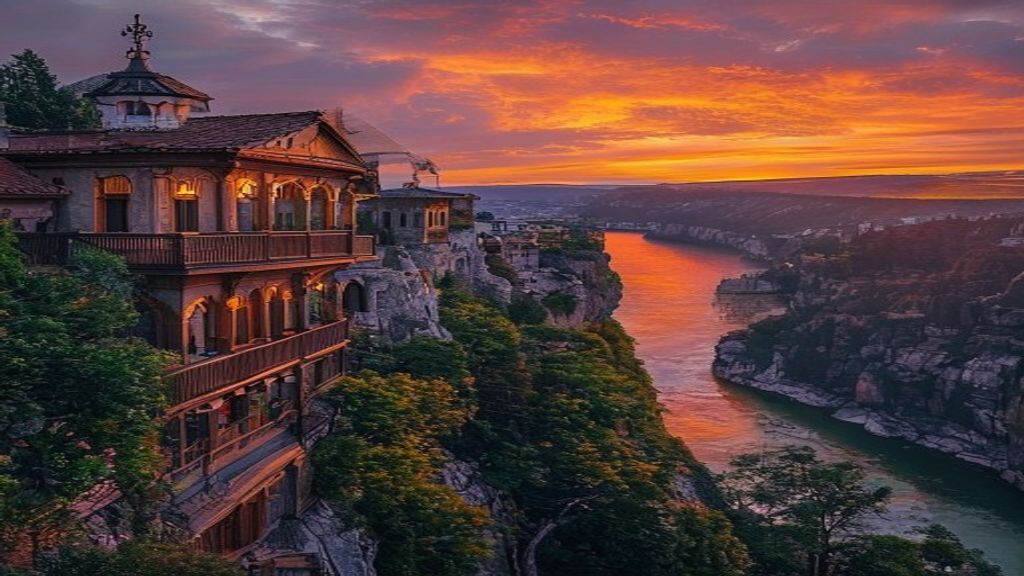
Set in a dramatic gorge carved by the Mtkvari River, with a medieval fortress looming on one side and glass-and-steel bridges arching across the skyline on the other, Tbilisi is a city that defies easy categorization. It is simultaneously ancient and utterly modern, spiritual and hedonistic, European and deeply Caucasian. Founded in the 5th century AD, it has been conquered, burned, and rebuilt dozens of times — and each layer of history has left its mark on the extraordinary cityscape that stands today.
What Makes Tbilisi Special
Tbilisi’s old town, Kala, is a sensory overload in the best possible way. Ornate wooden balconies draped with flowering vines overhang narrow cobblestone lanes. Orthodox churches press up against Persian-era mosques and a 19th-century synagogue — a rare and genuine tableau of religious coexistence. Below the old town, the Abanotubani sulfur bath district fills the air with a warm, mineral scent; bathing in these ancient subterranean tubs fed by natural hot springs is a Tbilisi ritual as old as the city itself (legend has it King Vakhtang I founded the city after his falcon fell into a hot spring).
Then there’s the food. Georgian cuisine is arguably the most underrated in the world: khinkali (giant soup dumplings), khachapuri (bread boats filled with molten cheese and egg), and whole roasted suckling pig share tables laden with vibrant herb salads and walnut-based sauces. Wash it all down with Georgian natural wine — the country is widely considered the birthplace of winemaking, with a tradition stretching back 8,000 years.
Must-See Spots
- Narikala Fortress — A 4th-century citadel towering over the old city, best reached by cable car from Rike Park. The panoramic views at sunset are unmissable.
- Rustaveli Avenue — The grand 19th-century boulevard lined with opera houses, galleries, and cafés; the cultural spine of the city.
- Fabrika — A repurposed Soviet-era sewing factory now housing Tbilisi’s hippest courtyard of bars, coffee shops, hostels, and studios.
- Mtatsminda Park — A Soviet-era amusement park perched on a mountaintop above the city, reached by a funicular; the view over Tbilisi at night is spectacular.
- Dezerter Bazaar — The city’s enormous, chaotic, and utterly authentic central market, overflowing with churchkhela (walnut-and-grape candy), spices, and fresh produce.
Best Time to Visit
April–June and September–October are the golden windows for visiting Tbilisi. Spring brings flowering gardens and pleasantly warm temperatures (18–25°C), while autumn sees the harvest season in full swing, with wine festivals and cooler hiking weather in the nearby Caucasus mountains. July and August are hot and crowded. Winters are mild but can be grey and damp.
Practical Tips
- Getting There: Tbilisi International Airport (TBS) is well connected to European and Middle Eastern hubs. Budget carriers including Wizz Air and FlyDubai offer affordable routes.
- Visa: Citizens of over 90 countries, including the EU, US, and UK, can enter Georgia visa-free for up to 365 days.
- Currency: Georgian Lari (GEL). Georgia is exceptionally affordable — a full dinner with wine often costs under $15 USD.
- Getting Around: The city is very walkable in the old town. Bolt (rideshare) is reliable and cheap for longer distances.
- Language: Georgian script is one of only 14 unique alphabets in the world. Learning madloba (thank you) will earn you big smiles.
- Safety: Tbilisi is generally very safe for travelers, including solo female travelers, though the chaotic driving warrants caution on the roads.
Tbilisi is a city that gets under your skin slowly, then all at once. Budget at least four to five days to wander without agenda — and accept that you will almost certainly book a return flight before you leave.