Tbilisi After Dark: Georgia's Ancient Capital Reborn
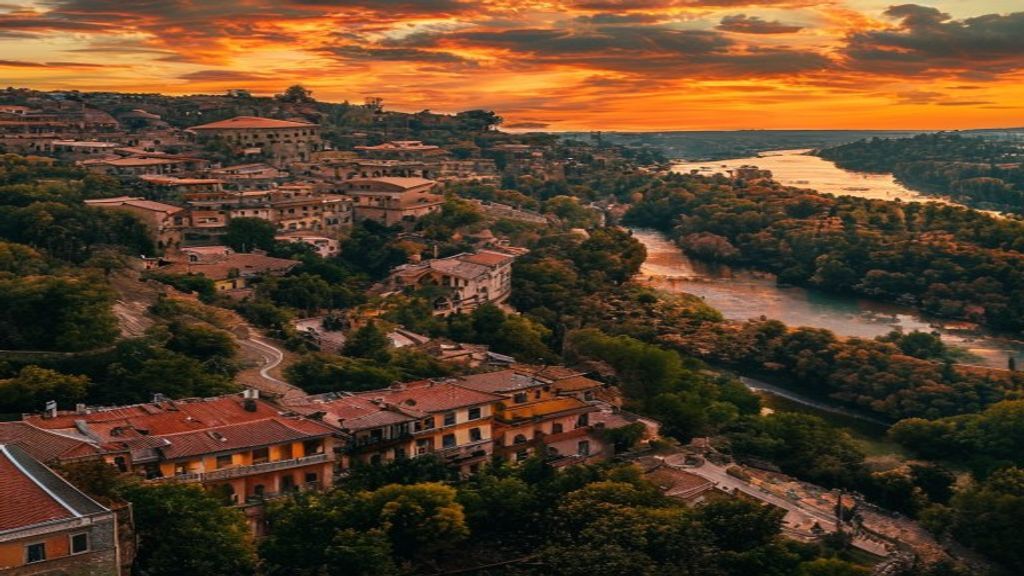
Tbilisi is a city of glorious contradictions — crumbling Silk Road mansions draped in carved wooden balconies stand beside glass-and-steel bridges, all anchored by a medieval fortress watching over it all. Georgia's capital is the most exciting city you've probably never considered visiting.
Tbilisi After Dark: Georgia’s Ancient Capital Reborn
There is a moment in Tbilisi, usually somewhere between your second glass of amber wine and the discovery of a jazz bar tucked behind a 14th-century church, when you realize this city has entirely changed your idea of what a travel destination can be. Raw, layered, deeply creative, and utterly addictive — Tbilisi is the kind of place that pulls people back again and again.
The capital of Georgia (the country, not the state) sits at the crossroads of Europe and Asia, cradled in a river valley between the Caucasus Mountains. It has been conquered, burned, and rebuilt approximately 29 times throughout history — and each layer of that history is still visible in its streets.
What Makes Tbilisi Special
The city’s defining visual character comes from its Old Town (Abanotubani and Kala districts): a labyrinth of narrow lanes lined with impossibly photogenic wooden-balconied houses, their ornate carved facades leaning drunkenly over cobblestone alleys. Many are crumbling — which, paradoxically, only adds to the beauty. Bougainvillea and grapevines spill over stone walls while sulfuric steam rises from the famous bathhouses below.
Then there’s the wine. Georgia is the cradle of wine civilization — people have been making it here for over 8,000 years using the ancient qvevri clay-vessel method. Amber (orange) wine, barely known elsewhere, is simply a Tuesday here. The food is equally revelatory: khinkali dumplings, khachapuri cheese bread, walnut-stuffed eggplant, and rich meat stews define a cuisine that remains criminally underrated globally.
Must-See Spots
- Narikala Fortress: The ruined 4th-century citadel looms over Old Town. Walk up or take the cable car from Rike Park for panoramic city views at dusk.
- Abanotubani (Sulfur Bath District): The domed brick bathhouses have been the city’s social heart for centuries. Book a private room for a traditional Georgian scrub (kisi).
- Shardeni Street & Wine Bars: The beating heart of Tbilisi’s social scene — lined with wine bars pouring natural Georgian wines, often accompanied by live music.
- Mtatsminda Park & Funicular: Ride the vintage funicular up the mountain for sweeping views over the entire city, especially magical at night.
- National Museum of Georgia: Home to the famous gold treasury — a breathtaking collection of ancient Colchian jewelry and artifacts.
- Dezerter Bazaar: The chaotic, colorful central market is perfect for sampling churchkhela (walnut-and-grape-juice candy), local cheeses, and fresh herbs.
Best Time to Visit
April–June and September–October are the sweet spots — mild temperatures, blooming gardens, and the harvest season (October is particularly magical for wine lovers). Summer (July–August) gets hot and crowded. Winter is cold but atmospheric, with far fewer tourists and the possibility of combining a trip with skiing in nearby Gudauri or Bakuriani.
Practical Tips
- Getting there: Tbilisi International Airport is well-connected via Turkish Airlines (through Istanbul), Wizz Air, and FlyDubai. Budget flights from much of Europe are common.
- Visa: Citizens of over 90 countries can visit Georgia visa-free for up to one year. Check your eligibility before booking.
- Currency: Georgian Lari (GEL). ATMs are abundant and exchange rates are favorable. Tbilisi is exceptionally affordable by European standards.
- Getting around: Tbilisi’s metro is cheap and efficient. Bolt (ride-sharing) is the preferred taxi app.
- Stay: Old Town guesthouses and boutique hotels in restored historic buildings offer the most atmospheric accommodation — often at surprisingly low prices.
- Safety: Tbilisi is extremely safe for solo travelers, including women traveling alone.
Tbilisi doesn’t demand your attention — it seduces it, slowly and completely. Come for a weekend, stay for a week, and leave already planning your return.