Socotra, Yemen: The Galápagos of the Indian Ocean
Marooned in the Arabian Sea, Socotra is one of the most alien-looking places on Earth — home to the iconic dragon blood tree, endemic species found nowhere else, and beaches of dazzling white sand that feel entirely untouched. This is nature at its most defiant and spectacular.
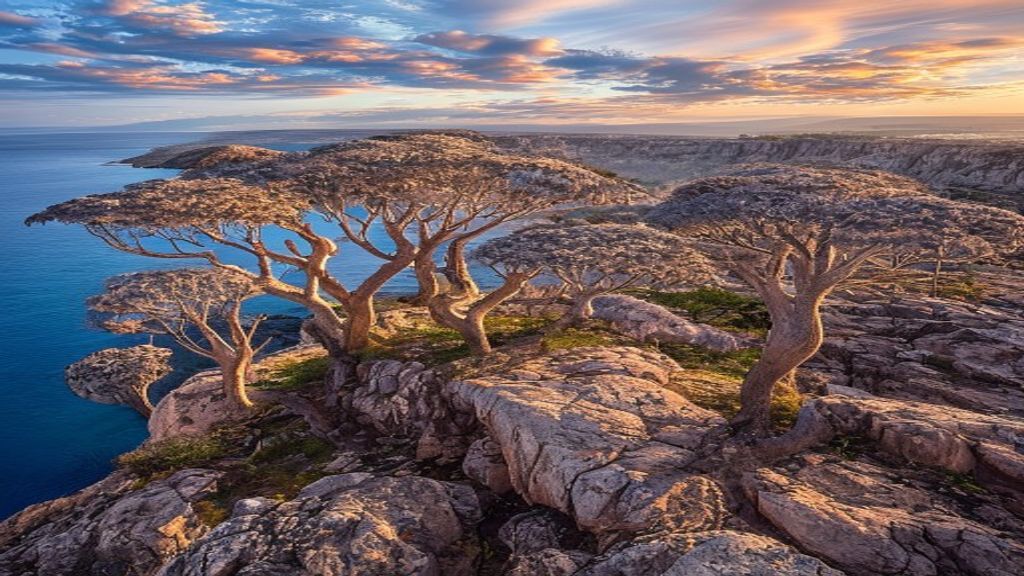
Socotra, Yemen: The Galápagos of the Indian Ocean
If any place on Earth looks like it belongs on another planet, it is Socotra. This remote archipelago in the northwestern Indian Ocean, technically part of Yemen but geographically closer to Somalia, has been isolated from the world’s major landmasses for so long that evolution took its own extraordinary path here. The result is an island where more than a third of all plant life exists nowhere else on Earth — including the iconic Dracaena cinnabari, the dragon blood tree, whose mushroom-shaped canopy and crimson sap have made it one of nature’s most photographed wonders. Welcome to the Galápagos of the Indian Ocean.
What Makes Socotra So Special
Socotra’s extraordinary biodiversity — UNESCO-listed since 2008 — stems from millions of years of isolation. The island was once connected to the ancient supercontinent of Gondwana, and species that evolved here never had to compete with or adapt to the fauna and flora of the wider world. The landscape reads like a fever dream: dragon blood trees clump on plateau ridges like something from a Dr. Seuss illustration; the grotesquely swollen Desert Rose (Adenium obesum) blooms in shocking pink; pale sand dunes roll directly into turquoise lagoons; and limestone cave systems beneath the mountains hold rivers and crystal-clear pools.
The island’s human population of approximately 70,000 Socotri people speak a language — Socotri — that has no written form and belongs to a completely separate Semitic branch from Arabic. Their culture, deeply tied to the land and sea, remains among the most authentic and unhurried in the world.
Best Time to Visit
Timing your trip around Socotra’s monsoon is essential. The island is closed to visitors from June through August, when the Khareef (southwest monsoon) makes seas and landings hazardous. The absolute best window is October through May, with November through March being the ideal sweet spot: calm seas, cooler temperatures (20–30°C), and clear skies that make the landscape even more surreal. April and May are warmer but still manageable.
Must-See Spots
- Dixam Plateau: The heartland of the dragon blood tree forest. Walking among hundreds of these ancient, upturned umbrella-shaped trees at sunrise is arguably the single most otherworldly experience in the Indian Ocean region.
- Detwah Lagoon: A protected tidal lagoon near the western tip of the island where calm turquoise water, white sand, and utter silence create a natural paradise unlike any conventional beach destination.
- Hoq Cave: One of the largest cave systems in the Arabian Peninsula, stretching for kilometers into the island’s limestone mountains, its chambers studded with stalactites and stalagmites and ancient inscriptions left by sailors.
- Qalansiyah Beach: A sweeping crescent of powder-white sand backed by dunes and a calm lagoon — consistently ranked among the most beautiful beaches in Asia.
- Homhil Protected Area: A landscape of dragon blood trees, endemic shrubs, and a natural infinity pool fed by freshwater springs, overlooking dramatic coastal cliffs.
Practical Tips
- Getting there: The only practical entry point is Socotra Airport (SCT) in Hadibo. Felix Airways and Yemenia operate connecting flights via Abu Dhabi and Aden respectively. Charter flights from UAE are available. Always book early as flights are limited.
- Visas and safety: Check current travel advisories carefully. Despite Socotra’s distance from Yemen’s mainland conflict zones, the political situation requires monitoring. The island has remained relatively stable and receives a small but steady stream of international visitors, but professional guidance is essential. Arrange travel through a reputable Socotra-based tour operator who can manage logistics and liaise with local authorities.
- Getting around: There are no rental cars in the conventional sense. All exploration is done via 4WD vehicles with local drivers, which your tour operator will arrange. Roads outside Hadibo are rugged tracks.
- Accommodation: Options are simple but atmospheric — expect guesthouses, eco-lodges, and camping under dragon blood trees. Embrace the simplicity; it’s very much part of the experience.
- Pack essentials: Strong sun protection, a sturdy water bottle (refillable), insect repellent, and a good offline map app. Mobile data is extremely limited.
- Responsible travel: Socotra is fragile. Stay on marked trails, do not collect plant specimens, and support local guides and guesthouses exclusively. The ecosystem’s uniqueness is only preserved through conscientious tourism.
Final Thought
Socotra is not a comfortable destination — it takes effort, flexibility, and a genuine spirit of adventure to reach. But standing on the Dixam Plateau at dawn, surrounded by ancient trees shaped like no others on Earth, you will understand immediately why people call this island one of the last truly magical places. Some journeys change your perspective on what the world is capable of. Socotra is one of them.