Patagonia's End of the World: Torres del Paine Untamed
At the southern tip of South America, Torres del Paine rises from the Patagonian steppe like a cathedral built by the gods — a wilderness of granite spires, glacier-fed lakes in impossible shades of turquoise, and winds so fierce they feel alive. This is the planet at its most dramatic.
Patagonia’s End of the World: Torres del Paine Untamed
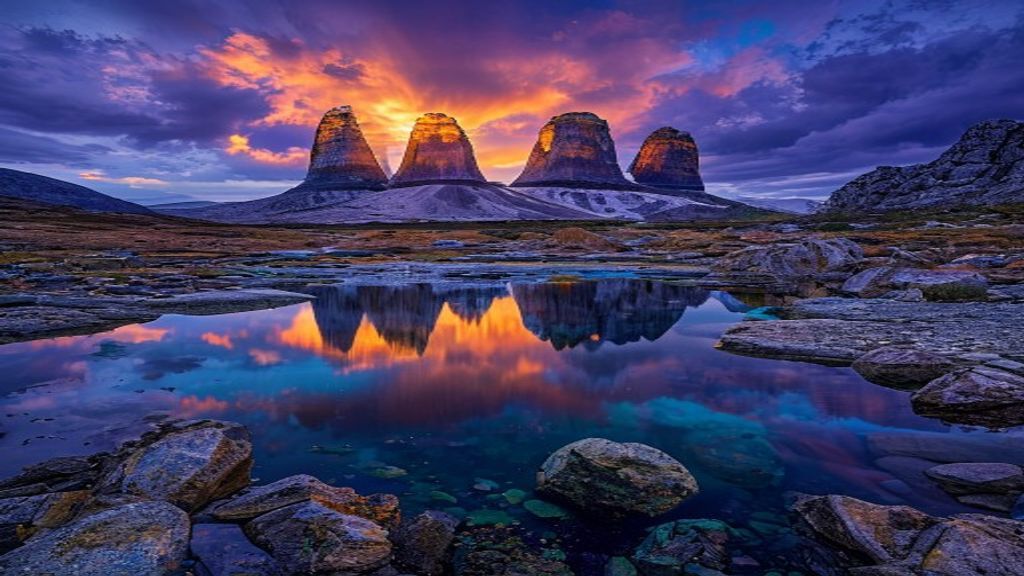
There are landscapes that inspire, and then there are landscapes that recalibrate you. Torres del Paine National Park, in Chile’s southern Patagonia region, belongs firmly in the second category. Standing before the iconic three granite towers as alpenglow turns them molten gold at dawn is the kind of moment that travel writers run out of words for — and yet hikers, photographers, and adventurers keep returning, searching for it again and again.
Located in the Magallanes Region of Chile, approximately 2,500 km south of Santiago, Torres del Paine encompasses 181,000 hectares of steppe, glaciers, rivers, lakes, and mountains. It is one of the world’s great wilderness destinations — and increasingly, one of the world’s most sought-after.
What Makes Torres del Paine Special
The park’s centerpiece is the Paine Massif — a dramatic cluster of peaks topped by the three iconic granite towers (Torres), which rise nearly 2,500 meters above the surrounding plain. But the park is far more than its famous silhouette. Grey Glacier — a vast river of ancient ice — calves icebergs into a milky turquoise lake. The waters of Lago Pehoé shimmer in shades of pale blue that seem artificially vivid. Pumas stalk the open steppe (and are increasingly brazen around hikers). Condors soar on thermal updrafts overhead. Guanacos — wild relatives of the llama — graze in herds against the backdrop of the peaks.
The famous W Trek (4–5 days) and the more demanding O Circuit (8–10 days) are among the world’s great long-distance hikes, but the park also rewards day visitors with accessible viewpoints, boat excursions, and horseback rides.
Must-See Spots
- Mirador Las Torres: The ultimate Patagonian pilgrimage — a 4–5 hour hike each way to the viewpoint at the base of the three granite towers, best at sunrise when the rock glows amber and pink.
- Grey Glacier: Hike or take a boat across Lago Grey to stand before the 6-km-wide glacial face. Ice hiking on the glacier itself is available through guided tours.
- Valle del Francés: A dramatic hanging valley surrounded by rock walls, dangling glaciers, and cascading waterfalls — the most cinematically stunning section of the W Trek.
- Lago Pehoé Viewpoint: The classic postcard panorama — Paine Massif reflected in impossibly blue-green water, framed by golden Patagonian steppe grasses.
- Puma Spotting at Laguna Amarga: Early mornings on the park’s open plains near the entrance give your best chances of spotting one of Patagonia’s magnificent pumas.
Best Time to Visit
November through March (Southern Hemisphere spring and summer) is the main trekking season. December and January offer the longest days and warmest temperatures, but also the most visitors and strongest winds — Patagonian wind is legendary and can reach 120 km/h. October and late February–March are ideal shoulder months: fewer crowds, stable weather, and (in March) stunning autumn foliage beginning to appear. The park technically stays open year-round, but many services close May–September and trails can be icy and dangerous.
Practical Tips
- Getting there: Fly to Punta Arenas (from Santiago) or Baja California (from Buenos Aires). From Punta Arenas, take a 4–5 hour bus to Puerto Natales, the gateway town. From Puerto Natales, park buses and transfers run daily in season.
- Book early: Refugios (mountain huts) and campsites along the W Trek and O Circuit sell out months in advance. Book through Vertice Patagonia or Las Torres Patagonia as early as October for the following summer season.
- Gear: Waterproof layers are non-negotiable. Even in summer, the park can deliver all four seasons in a single day. Trekking poles are invaluable. Sun protection is critical — UV levels are extreme this far south.
- Pack out everything: The park has strict Leave No Trace rules. Wildfires (several catastrophic ones in recent decades) have made fire bans absolute — no open flames, no exceptions.
- Currency: Chilean Peso (CLP). Puerto Natales has ATMs. Some lodges accept USD or card payments.
- Altitude and fitness: The hikes are not technical but are long and often conducted in wind. A moderate to good fitness level is recommended for the full W Trek.
Patagonia demands effort — long flights, long drives, physical trails, and the whims of one of Earth’s most volatile climates. Every single kilometer of that effort is paid back tenfold the moment you stand before the towers in the first light of morning. This is a place that will stay with you forever.