Oaxaca, Mexico: Where Color Meets Culture on Every Corner
From smoky mezcal distilleries to ancient Zapotec ruins, Oaxaca is Mexico's most vibrant cultural destination — and its culinary capital.
A City That Tastes as Good as It Looks
Oaxaca doesn’t just welcome you — it envelops you. Step off the plane and the dry mountain air carries the scent of roasting chiles, copal incense, and fresh tortillas being slapped into shape at a street-side comal. This is a city where every sense is invited to the table, and the table is always full.
The Culinary Heart of Mexico
Forget what you think you know about Mexican food. Oaxaca holds the title of Mexico’s gastronomic capital, and it earns it daily. The city is home to seven legendary moles — complex sauces that can contain thirty or more ingredients, ground and simmered for hours. Negro, rojo, coloradito, amarillo, verde, chichilo, and manchamanteles each tell a different story of indigenous and colonial influence.
Wander through the Mercado 20 de Noviembre and follow the smoke to the pasillo de humo, a corridor of open-flame grills where tasajo (dried beef), cecina (cured pork), and chorizo sizzle beside mountains of fresh quesillo, the stringy Oaxacan cheese that puts mozzarella to shame.
Don’t leave without trying: Tlayudas — massive crispy tortillas spread with black bean paste, asiento (unrefined pork lard), quesillo, and your choice of meat. Street food perfection.
Beyond the Zócalo
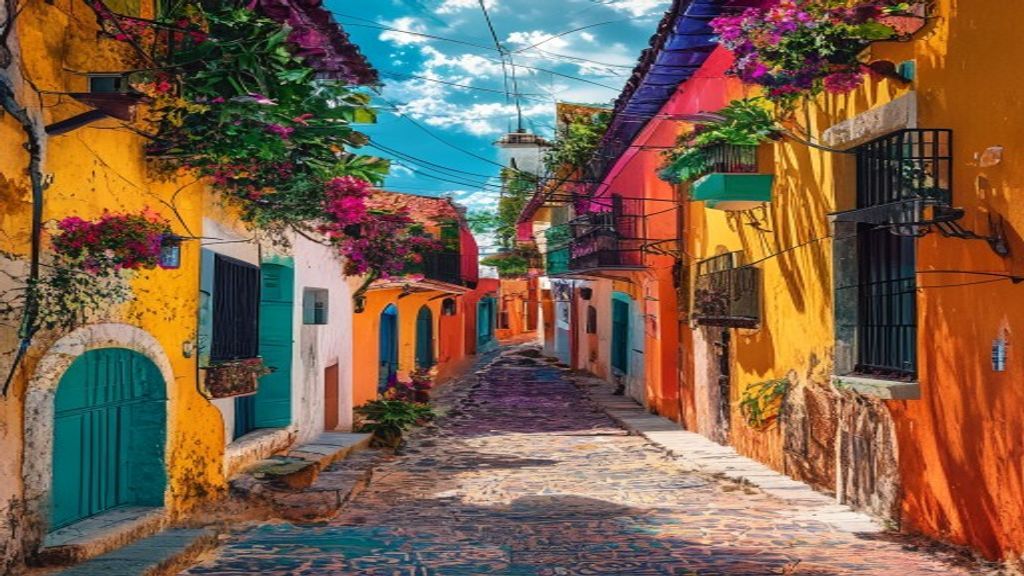
The city center is a UNESCO World Heritage site, and its colonial architecture glows in shades of terracotta, mint green, and deep ochre. But Oaxaca’s real character lives in its barrios. Walk south to Jalatlaco, a neighborhood of cobblestone streets lined with bougainvillea, independent coffee roasters, and murals that shift from political to playful within a single block.
The textile traditions here stretch back millennia. In nearby Teotitlán del Valle, Zapotec weavers still use natural dyes extracted from cochineal insects, indigo plants, and pomegranate husks. Watching a master weaver work a pedal loom is witnessing a living art form — every rug tells a cosmological story if you know how to read it.
Mezcal Country
Oaxaca produces roughly ninety percent of the world’s mezcal, and the journey from agave field to glass is one of the region’s great experiences. Drive thirty minutes outside the city to Santiago Matatlán, the self-proclaimed “world capital of mezcal,” where family-run palenques (distilleries) dot the arid hillsides.
The process is elemental: agave hearts roasted in underground pits, crushed by a stone tahona pulled by a horse, fermented in open-air wooden vats, and distilled in copper or clay pots. Each bottle carries the signature of its maker and the terroir of its land. Sip slowly, breathe out, and let the smoke settle.
Monte Albán and the Ancient World
Rising above the valley on a flattened mountaintop, Monte Albán is one of Mesoamerica’s earliest cities — inhabited for over 1,500 years by Zapotec civilization. The grand plaza, ball court, and carved stone stelae are impressive, but it is the panoramic view of the three converging valleys below that truly stuns. Arrive at opening time to have the ruins nearly to yourself.
When to Go
- Late October/early November for Día de los Muertos — Oaxaca’s celebration is the most elaborate in Mexico
- July for the Guelaguetza festival of indigenous dance and music
- March-May for warm, dry weather and manageable crowds
The altitude (1,550 meters) keeps temperatures pleasant year-round, though nights can surprise you with a chill. Pack a light layer, bring an appetite, and prepare to fall completely, irreversibly in love.