Medellín Reimagined: Colombia's City of Eternal Spring
Once a byword for danger, Medellín has undergone one of the most remarkable urban transformations of the 21st century, blossoming into a vibrant, innovative, and breathtakingly beautiful city cradled in an Andean valley. With a perfect climate, world-class food, cable-car commutes, and an arts scene bursting with energy, it is South America's most exciting city right now.
Medellín Reimagined: Colombia’s City of Eternal Spring
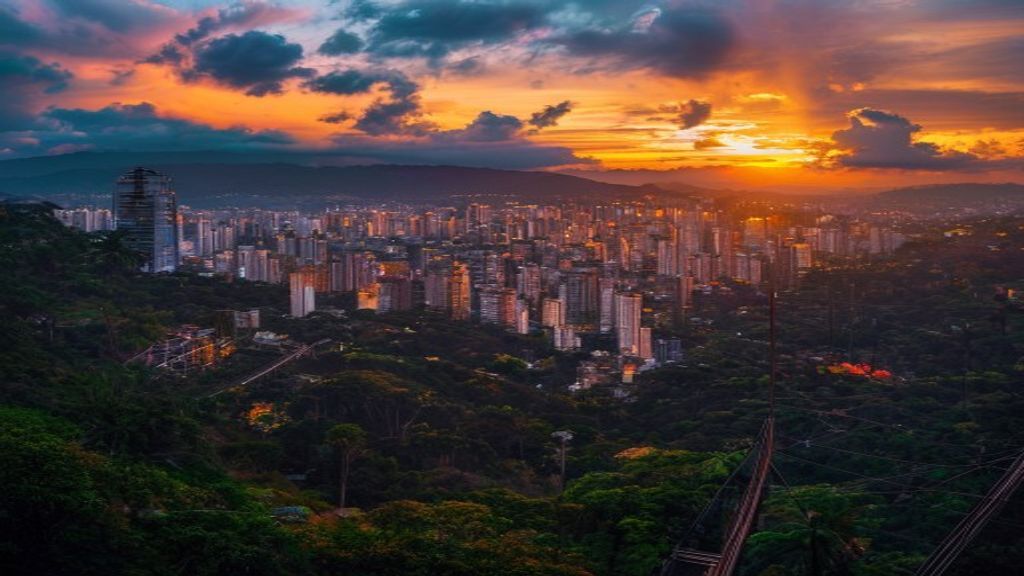
Medellín wears its reinvention proudly. The city that spent the 1980s and early 1990s in the grip of cartel violence has emerged as one of the world’s great comeback stories — winning global urban innovation awards, attracting digital nomads, architects, and food lovers from every continent, and doing it all in a climate so consistently mild and sunny that locals simply call it the ciudad de la eterna primavera: the city of eternal spring.
What Makes Medellín Special
Nestled in the narrow Aburrá Valley at 1,495 metres above sea level, Medellín enjoys temperatures hovering between 18°C and 28°C every single day of the year. But the weather is only the beginning. The city’s transformation was built on social urbanism — the radical idea that architecture and infrastructure could change lives. Neighbourhoods that were once unreachable and neglected are now connected to the rest of the city by an award-winning metro system, aerial gondolas (Metrocable), and outdoor escalators that climb the steep hillside comunas.
The result is a city of surprising contrasts: sleek glass towers in the financial district of El Centro, colourful street art murals covering entire building facades in Comuna 13, the lush botanical gardens of Laureles, and the thrilling gastronomy scene of El Poblado and Provenza, where Colombian chefs are reinterpreting Andean ingredients with global technique.
Best Time to Visit
Medellín’s eternal spring means there is genuinely no bad time to visit. However, December through March and July through August are the driest months, ideal for outdoor exploration. The city’s biggest cultural event, the Festival de las Flores (Flower Festival) in early August, is an extraordinary week of parades, flower arrangements, and live music that draws visitors from across the globe — book accommodation well in advance if visiting then.
Must-See Spots
- Comuna 13: Ride the free public escalators up through this hillside neighbourhood, now a canvas for some of Latin America’s most impressive street art, a symbol of transformation and resilience.
- Plaza Botero: Thirty-two of Fernando Botero’s famous oversized bronze sculptures fill this downtown square — free to admire day or night.
- Parque Arví: Take the Metrocable to this cloud-forest nature reserve above the city for hiking trails, organic markets, and sweeping valley views.
- Museo de Antioquia: One of Colombia’s finest art museums, housed in a striking building beside Plaza Botero, with an exceptional Botero collection and rotating contemporary exhibitions.
- Mercado del Río: A cavernous food hall where dozens of local vendors serve everything from traditional bandeja paisa to creative fusion dishes and craft cocktails.
Practical Tips
- Getting there: José María Córdova International Airport is served by direct flights from Miami, New York, Bogotá, Panama City, and many other hubs.
- Getting around: The Metro and Metrocable system is safe, clean, and cheap. Uber and InDriver operate widely; official yellow taxis are also reliable.
- Currency: Colombian Peso (COP). ATMs are plentiful; notify your bank before travelling.
- Safety: Medellín has transformed dramatically, but apply standard urban street smarts — keep valuables discreet, avoid flashing phones in busy areas, and use app-based taxis at night.
- Language: Spanish. English is spoken in tourist-heavy areas like El Poblado but less so elsewhere — a few phrases of Spanish go a long way.
- Day trips: The nearby Guatapé town and El Peñol rock (a massive granite monolith you can climb for panoramic reservoir views) make for an unmissable day trip just 80 kilometres from the city.
Medellín is not just a destination — it is proof that cities can reinvent themselves through imagination, investment, and community spirit. Arriving here, you don’t just visit a place; you witness an ongoing, living miracle.