Medellín, Colombia: The City That Reinvented Itself
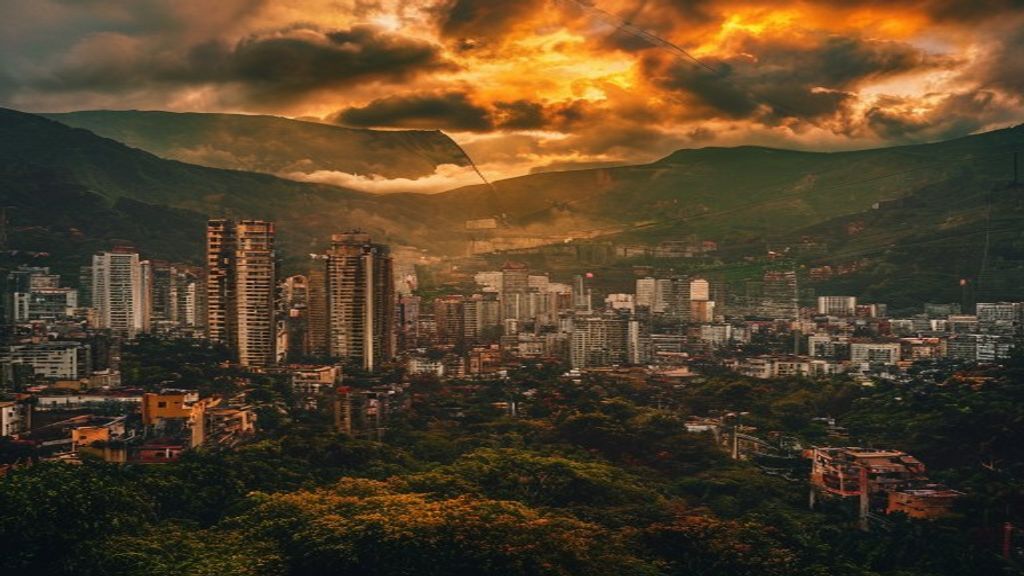
Once synonymous with turmoil, Medellín has undergone one of the most remarkable urban transformations of the 21st century, emerging as a vibrant hub of innovation, street art, and eternal spring weather. Nestled in a lush Andean valley, it's now one of South America's most electrifying cities to explore.
Medellín, Colombia: The City That Reinvented Itself
There are cities that grow, and then there are cities that are reborn. Medellín, Colombia belongs firmly in the second category. Resting in the bowl of the verdant Valle de Aburrá at 1,495 meters above sea level, this city of nearly four million people has pulled off one of the most stunning metropolitan reinventions in modern history — and today it stands as a beacon of creative urbanism, warm hospitality, and natural beauty that rewards every traveler who makes the journey.
What Makes Medellín Special
Medellín earned the nickname “La Ciudad de la Eterna Primavera” — The City of Eternal Spring — for its near-perfect climate, hovering between 22–28°C (72–82°F) almost year-round. But the city’s real magic lies in its people and its neighborhoods.
The barrio of El Poblado offers tree-canopied streets lined with restaurants, boutique hotels, and a buzzing nightlife scene. Just a few metro stops north, Laureles and Envigado offer a more authentically local atmosphere — family-run fondas (traditional eateries), corner bakeries, and leafy plazas.
No visit is complete without riding the Metro Cable up to Santo Domingo Savio, a hilltop community that was once among the city’s most isolated. The cable car — part of an integrated public transport system designed to connect underserved hillside neighborhoods — offers panoramic views over the entire valley and represents the city’s transformation in physical form. At the top, the España Library (or its striking replacement) stands as a monument to investment in education and culture.
The Plaza Botero downtown is home to 23 oversized bronze sculptures by Colombia’s most famous artist, Fernando Botero, arranged casually among street vendors and families — art as democratic public space rather than museum relic.
Best Time to Visit
Medellín is a year-round destination thanks to its stable climate. However, December through February and July through August tend to be drier and are ideal for outdoor exploration. The Feria de las Flores (Festival of Flowers) in August is one of Colombia’s most spectacular cultural celebrations, featuring the iconic Silleteros parade where farmers descend from the mountains carrying enormous floral arrangements.
Must-See Spots
- Parque Arví — A vast ecological reserve accessible by metro cable above the city, with hiking trails, bird-watching, and artisan markets on weekends.
- Museo de Antioquia — Housing the largest collection of Botero’s work alongside significant Colombian art history.
- Guatapé & El Peñol — A two-hour day trip from Medellín to a candy-colored lakeside town and the famous La Piedra, a 220-meter granite monolith with 740 steps to panoramic summit views.
- Mercado del Río — A buzzing indoor food hall showcasing the best of Colombian regional cuisine, craft beer, and cocktails.
- Barrio Colombia & Medellin’s Street Art Scene — Entire neighborhoods transformed into open-air galleries; hire a local guide for context.
Practical Tips
- Getting there: José María Córdova International Airport connects Medellín to major hubs including Bogotá, Miami, New York, and Madrid.
- Getting around: The integrated Metro + Cable + Bus (BRT) system is safe, efficient, and affordable — one of the best in Latin America.
- Safety: Medellín has transformed enormously, but standard urban vigilance applies. Stick to well-traveled areas at night and use registered taxis or ride-hailing apps.
- Currency: The Colombian Peso (COP); credit cards are widely accepted in tourist areas but carry cash for markets and local tiendas.
- Language: Spanish is essential outside tourist areas — even a basic phrase book will earn you enormous goodwill from locals.
Medellín doesn’t just tell a story of resilience — it lives it, in every cable car ride, every mural, and every warm ¿Cómo estás? from a stranger on the street.