Hidden Gems of the Faroe Islands
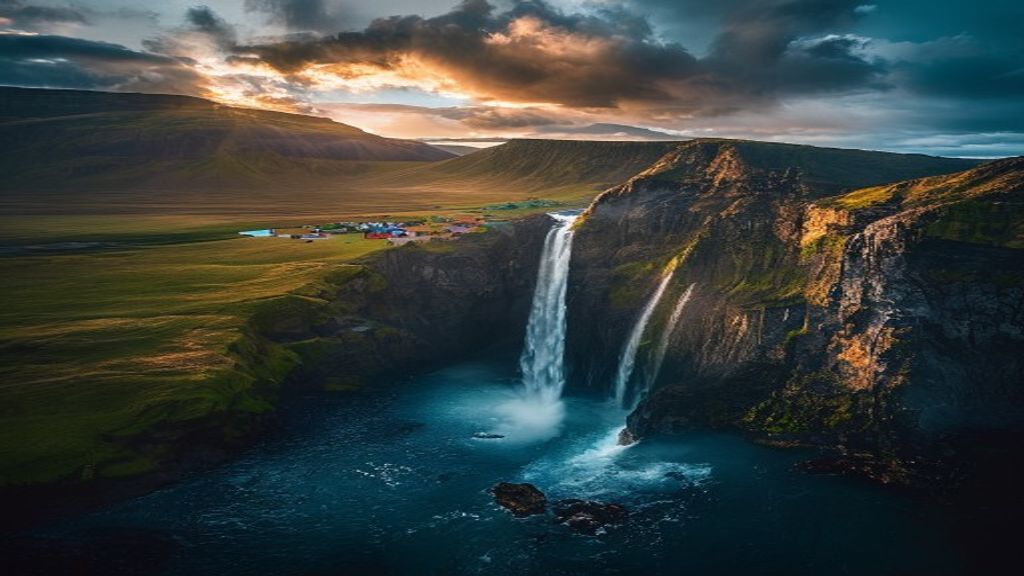
Perched between Norway and Iceland in the North Atlantic, the Faroe Islands are a mythical archipelago of sheer cliffs, cascading waterfalls, and grass-roofed villages that feel lifted straight from a Norse saga. If you've ever dreamed of standing at the edge of the world, this is exactly where that dream lives.
Hidden Gems of the Faroe Islands
Most travelers know Iceland. Far fewer have heard the wind howl across Sørvágsvatn, the lake that appears to float above the ocean in one of nature’s greatest optical illusions. The Faroe Islands — 18 volcanic specks of land in the North Atlantic — remain one of Europe’s most spectacularly overlooked destinations, and that is precisely their magic.
What Makes the Faroes Special
The islands belong to Denmark but feel like a country entirely their own. The Faroese language, the puffin-lined clifftops, the turf-roofed churches painted in candy colors — everything here carries a quiet defiance against the ordinary. There are no motorways, few traffic lights, and a population of roughly 55,000 people who have somehow kept their corner of the world almost completely intact.
The landscape shifts dramatically every few kilometers. One moment you’re driving through a tunnel bored through a mountain; the next, you emerge into a valley so green it almost hurts to look at. Múlafossur waterfall in the village of Gásadalur plunges directly into the Atlantic, making it arguably the most cinematic waterfall on the planet.
Must-See Spots
- Sørvágsvatn / Leitisvatn — The famous floating lake, best viewed from the Trælanípa cliffs. The optical illusion of the lake sitting above the ocean is real, and it is breathtaking from any angle.
- Tjørnuvík — A tiny fishing village backed by dramatic sea stacks called Risin and Kellingin (The Giant and The Witch), according to local legend.
- Vestmanna Bird Cliffs — Take a boat tour through narrow sea caves and past towering basalt columns while thousands of seabirds wheel overhead.
- Kirkjubøur — The cultural heartland of the islands, home to a medieval cathedral ruin and one of the oldest inhabited wooden houses in the world, still occupied by the same family for centuries.
- Enniberg — At 754 meters above the sea, this is one of the highest sea cliffs in the world. Standing at the edge is not for the faint-hearted.
Best Time to Visit
The Faroes are a year-round destination, but late May through August offers the best combination of long daylight hours (up to 19 hours in midsummer), accessible hiking trails, and vibrant green landscapes. July and August bring the beloved Ólavsøka festival — a week of rowing races, football tournaments, and chain dancing in traditional dress. If you want moody drama and almost no other tourists, October through February delivers raw Atlantic storms, occasional northern lights, and an eerie, cinematic atmosphere.
Practical Tips
- Getting there: Atlantic Airways flies direct from Copenhagen, Reykjavík, and Edinburgh. Booking early is essential as flights fill quickly in summer.
- Getting around: Rent a car. The network of undersea tunnels (some with underwater roundabouts) connects most of the main islands. Driving is on the right.
- Accommodation: The capital Tórshavn has boutique hotels and excellent seafood restaurants. For a truly immersive stay, look for traditional farm guesthouses (heimablídni) where locals cook dinner in their own homes.
- Weather: Layer aggressively. It can rain, shine, and fog over all in the same hour. Waterproof boots are non-negotiable.
- Respect the terrain: Many cliff walks have no guardrails. Stick to marked paths and never approach cliff edges when the wind is strong.
The Faroe Islands will not pamper you. They will challenge you, drench you, and occasionally strand you in fog. But they will also show you landscapes so raw and ancient that the modern world simply disappears. That is a trade worth making.