Hidden Gems of the Azores: Europe's Secret Island Paradise
Floating in the middle of the Atlantic, the Azores are a jaw-dropping archipelago of volcanic lakes, dramatic cliffs, and thermal hot springs that most travelers have never heard of. If you're dreaming of Iceland's raw beauty without the crowds — or cost — this Portuguese island chain is your answer.
Hidden Gems of the Azores: Europe’s Secret Island Paradise
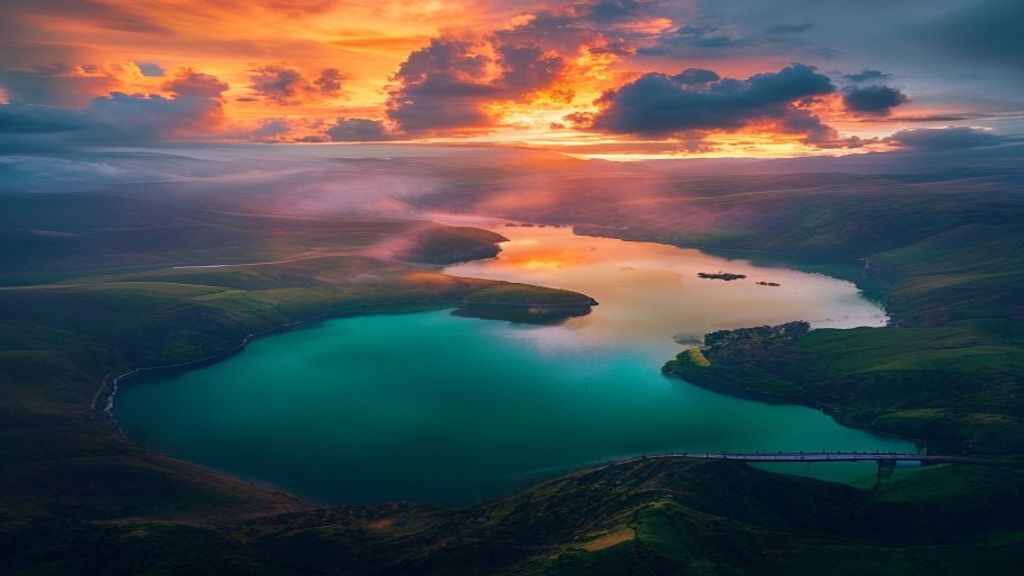
Tucked away in the middle of the Atlantic Ocean, roughly 1,500 kilometers west of Lisbon, the nine islands of the Azores feel like a secret the rest of Europe has been quietly keeping. Verdant peaks pierce low-hanging clouds, volcanic craters cradle lakes of impossibly vivid blues and greens, and hot springs bubble up from the ocean floor. For travelers who crave nature’s grandeur without elbow-to-elbow tourist queues, the Azores deliver something increasingly rare: genuine awe.
Why the Azores Are So Special
The archipelago straddles the Mid-Atlantic Ridge, meaning it was literally born from fire. The result is a landscape unlike anywhere else in Europe — steaming fumaroles, black-sand beaches, dense laurisilva forests, and calderas that look like they were painted by an overenthusiastic artist. Because the islands sit within a subtropical zone, they’re lush and green year-round, draped in hydrangeas every summer. The food scene is equally volcanic: slow-cooked cozido das Furnas is literally simmered underground by geothermal heat.
Must-See Spots
- Sete Cidades (São Miguel): Twin lakes — one emerald, one sapphire — nestled inside a massive ancient caldera. Best viewed at sunrise from Vista do Rei viewpoint before the tour buses arrive.
- Lagoa do Fogo (São Miguel): A pristine crater lake high in the mountains, surrounded by protected wilderness. Hike down to the shore for a swim in glassy, warm water.
- Flores Island: The westernmost point of Europe. Waterfalls tumble directly into the sea, and the island sees so few visitors it still feels genuinely undiscovered.
- Faial’s Capelinhos Volcano: An otherworldly moonscape created by a 1957 eruption, with an excellent underground museum built right into the ash fields.
- Pico’s Vineyards: A UNESCO World Heritage landscape of black lava-stone corrals protecting centuries-old vines. The local Verdelho wine is extraordinary.
Best Time to Visit
The Azores are a year-round destination, but May through October offers the warmest temperatures (18–26°C) and the most stable weather. Late June and July see the hydrangeas explode in color along roadsides and hillsides. Whale watching peaks from March to June, when sperm whales and blue whales pass through — the Azores are widely considered one of the world’s top cetacean-watching destinations.
Practical Tips
- Getting there: Direct flights from Lisbon (1.5 hrs) and several European cities. Inter-island flights and ferries connect the archipelago, though ferry schedules can be weather-dependent.
- Getting around: Rent a car on each island — public transport is limited and you’ll want the freedom to chase misty viewpoints at dawn.
- Where to stay: Boutique quintas (farm stays) offer incredible value and local character over big hotels. Look into Furnas Valley on São Miguel for a truly unique geothermal experience.
- Budget: The Azores are noticeably more affordable than mainland Portugal — expect to pay €10–15 for an excellent restaurant meal.
- Pack for all weather: The local saying goes: “If you don’t like the weather, wait five minutes.” Layers and a waterproof jacket are non-negotiable.
The Azores reward the curious traveler with a feeling that’s becoming harder and harder to find in a world of over-tourism — the sensation that you’ve genuinely discovered something. Go before everyone else does.