Hidden Gems of the Azores: Portugal's Volcanic Paradise
Rising from the middle of the Atlantic Ocean, the Azores offer a jaw-dropping tapestry of crater lakes, hot springs, and lush highland valleys that few travelers ever discover. This Portuguese archipelago is Europe's best-kept secret — and it won't stay that way for long.
Hidden Gems of the Azores: Portugal’s Volcanic Paradise
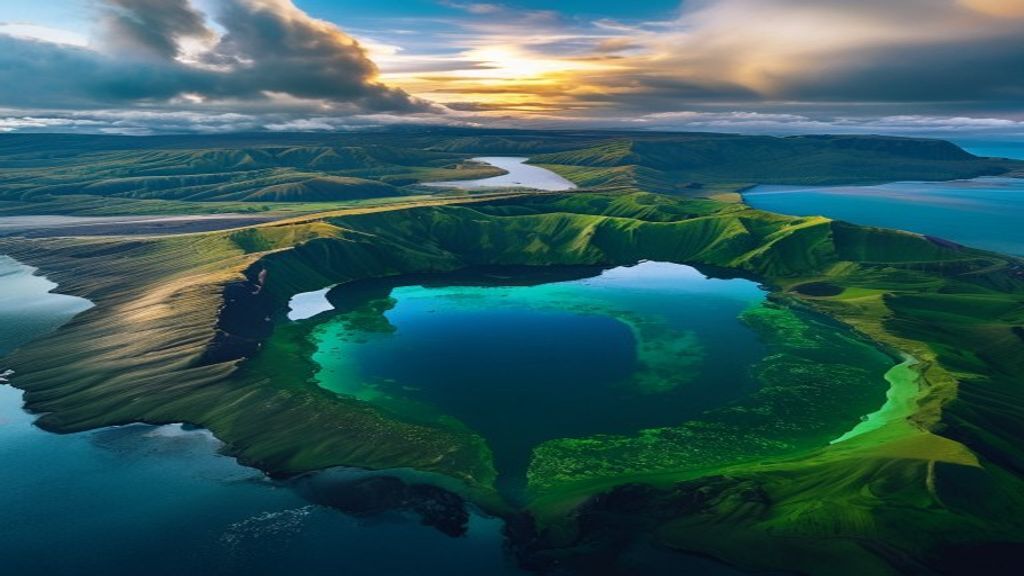
Imagine standing at the rim of a dormant volcanic crater, gazing down at twin lakes shimmering in shades of emerald and cobalt, while the ocean glitters on the horizon. Welcome to the Azores — nine volcanic islands strung across the mid-Atlantic, where the scenery feels borrowed from three different continents and the word overcrowded simply doesn’t exist.
What Makes the Azores Special
The Azores sit at the meeting point of three tectonic plates, which has gifted the islands with a geology unlike anywhere else in Europe. Steaming fumaroles, natural thermal pools, calderas draped in hydrangeas, and the ever-present smell of the ocean make every hike feel cinematic. The islands are also home to some of the best whale watching in the world — sperm whales, blue whales, and dolphins patrol these waters year-round.
Beyond the drama of the landscape, the Azorean culture is warm and unhurried. Villages of whitewashed churches trimmed in black volcanic stone dot the hillsides, and the local cozido das Furnas — a stew cooked underground by geothermal heat — is a meal you will genuinely never forget.
Must-See Spots
- Sete Cidades (São Miguel): The island’s crown jewel — twin lakes, one green and one blue, nestled inside a giant caldera. Hike the rim trail at sunrise for life-changing views.
- Furnas Valley (São Miguel): Bubbling mud pools, geothermal hot springs at Terra Nostra Garden, and that legendary underground-cooked stew.
- Flores Island: The most remote and arguably most beautiful of the nine islands — waterfalls plunge directly into the sea and the interior is a tangle of hydrangea-lined paths.
- Pico Island: Home to Portugal’s highest peak, Mount Pico (2,351 m). Climb it in a night to catch sunrise above the clouds.
- Faial’s Capelinhos Volcano: A moonscape of ash and hardened lava where a volcanic eruption as recently as 1957 extended the island into the Atlantic.
Best Time to Visit
May through October offers the most reliable weather, with July and August being warmest (18–25°C). Spring (April–June) is magical — the hillsides explode in blue hydrangeas and crowds are minimal. Whale watching peaks between April and October.
Practical Tips
- Getting there: Direct flights operate from Lisbon, Porto, and several European capitals to Ponta Delgada (São Miguel). Inter-island flights and ferries connect the islands.
- Getting around: Rent a car on each island — public transport is limited and the best viewpoints require driving.
- Budget: The Azores are significantly cheaper than mainland Portugal and most of Western Europe. Budget around €80–€130/day for mid-range travel.
- Accommodation: Opt for a quinta (rural guesthouse) for an authentic experience. Book ahead in summer, as quality lodging fills fast.
- Sustainability: The Azores are committed to eco-tourism. Stick to marked trails, avoid single-use plastics, and choose certified local tour operators for whale watching.
Final Word
The Azores demand a slow pace — the kind of travel where you linger over morning coffee watching mist roll off a caldera, take an unplanned detour down a dirt road because the view looked interesting, and end the day soaking in a cliff-side hot spring with only the stars for company. This is not Instagram travel. This is real travel.