Hidden Gems of the Azores: Portugal's Volcanic Wonderland
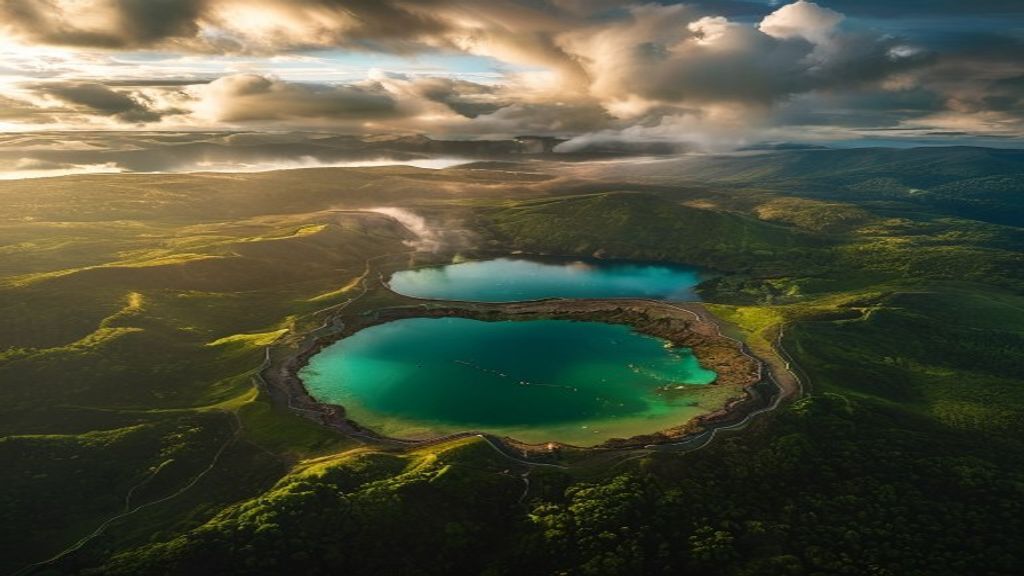
Rising dramatically from the middle of the Atlantic, the Azores offer an otherworldly blend of emerald crater lakes, steaming geysers, and whale-filled seas — all without the crowds of mainland Europe. This remote Portuguese archipelago is the secret your wanderlust has been waiting for.
Hidden Gems of the Azores: Portugal’s Volcanic Wonderland
Tucked away nearly 1,500 kilometers west of Lisbon, the nine islands of the Azores feel like a world entirely their own. Lush beyond imagination, geologically alive, and refreshingly unhurried, this Portuguese archipelago sits at the meeting point of three tectonic plates — and the landscape makes sure you never forget it. From twin lakes glowing jade and sapphire in an ancient caldera to hot springs bubbling up through black volcanic rock on the ocean shore, the Azores deliver the kind of raw natural beauty that stops you mid-sentence.
What Makes the Azores Special
Unlike most European island destinations, the Azores have managed to preserve an authentic, lived-in character. The island of São Miguel is the most visited, yet still far from overrun. Its crown jewel, Sete Cidades, is a collapsed volcanic caldera cradling two interconnected lakes of famously different colors — the result of light and legend in equal measure. On the island of Flores, waterfalls tumble directly into the Atlantic, while Faial’s Capelinhos volcano — which last erupted in 1958 — looks like a moonscape dropped into the sea.
The ocean surrounding the islands is among the richest whale-watching territory on Earth. Sperm whales, blue whales, and dozens of dolphin species pass through year-round, making boat excursions an unmissable highlight.
Best Time to Visit
The Azores are a year-round destination thanks to their mild, oceanic climate, but May through September offers the warmest, driest conditions. Spring (April–June) is particularly magical — the hydrangeas that line every road burst into vivid blue and purple, creating hedgerows that look almost painted.
Must-See Spots
- Sete Cidades Caldera (São Miguel) — hike the crater rim at dawn for an unforgettable panorama
- Furnas Valley (São Miguel) — bubbling fumaroles, hot springs, and the famous cozido stew slow-cooked underground
- Pico Mountain (Pico Island) — Portugal’s highest peak, a challenging but rewarding overnight climb
- Gruta das Torres (Pico Island) — one of the longest lava tubes in the world
- Praia do Almoxarife (Faial) — a dramatic black sand beach facing Pico volcano across the channel
Practical Tips
- Getting there: SATA Azores Airlines and TAP Air Portugal connect Lisbon to São Miguel in about 2 hours. Inter-island flights are frequent and affordable.
- Getting around: Renting a car is strongly recommended — public transport is limited and the winding mountain roads are part of the adventure.
- Budget: The Azores are notably affordable by Western European standards. Mid-range guesthouses (casas de campo) run €60–€100/night and local restaurants serve fresh seafood for under €15 a plate.
- Pack smart: Weather changes fast. Even in summer, always carry a light rain jacket — locals joke that you experience all four seasons in a single afternoon.
- Sustainability: The Azores take eco-tourism seriously. Stick to marked trails, book licensed whale-watching operators, and opt for locally owned accommodation to support island communities.
The Azores don’t ask you to choose between adventure and relaxation — they offer both, wrapped in one of the most spectacular natural settings on the planet. Come before the rest of the world catches on.