Hidden Gems of the Azores: Europe's Forgotten Volcanic Eden
Rising dramatically from the mid-Atlantic, the Azores offer a world of emerald crater lakes, whale-watching coastlines, and hot spring valleys that feel untouched by time. This Portuguese archipelago is Europe's best-kept secret — and it's finally ready to be discovered.
Hidden Gems of the Azores: Europe’s Forgotten Volcanic Eden
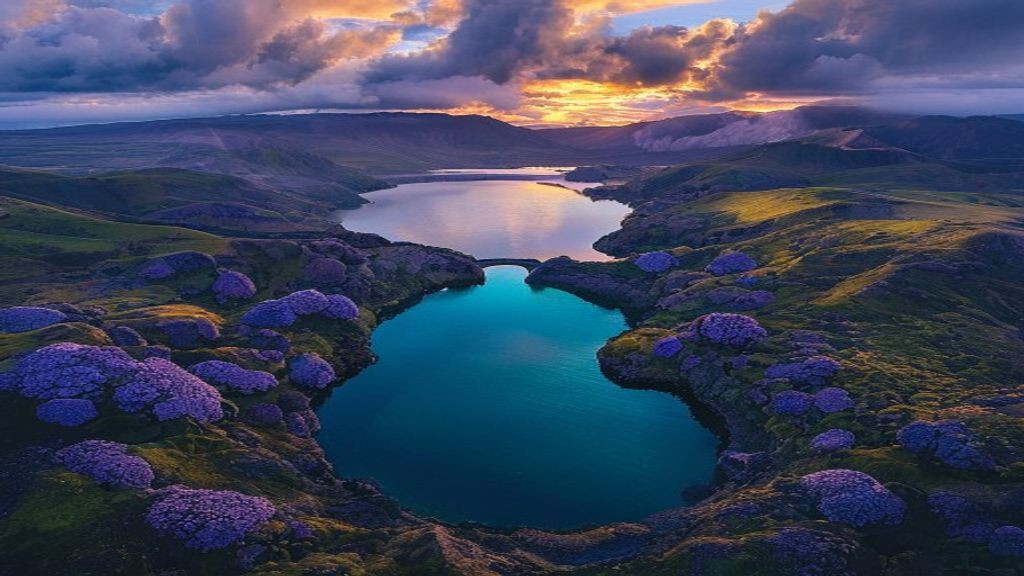
Perched in the middle of the Atlantic Ocean, roughly 1,500 kilometers west of Lisbon, the nine islands of the Azores feel like a world that geography forgot. There are no crowded promenades or selfie-stick brigades here — just volcanic craters draped in hydrangeas, ocean cliffs that plunge into impossibly blue water, and hot springs that bubble up through centuries-old lava fields. If you’ve been craving a European escape that still feels genuinely wild, the Azores are calling.
What Makes the Azores Special
The Azores sit on the junction of three tectonic plates, and the landscape wears that geological drama proudly. On São Miguel, the largest island, the twin lakes of Sete Cidades — one green, one blue — fill an ancient caldera like a painting brought to life. Just an hour’s drive away, the Furnas Valley steams with geothermal vents where locals slow-cook cozido das Furnas stew underground for hours. The result is one of the most unique dining experiences on the planet.
Beyond São Miguel, Flores Island rewards adventurous travelers with waterfalls that cascade directly into the sea, while Faial offers a surreal moonscape at the Capelinhos Volcano, still raw from its 1957 eruption. Pico Island is dominated by Mount Pico, Portugal’s highest peak — a challenging but unforgettable sunrise hike.
Best Time to Visit
The Azores enjoy a mild, oceanic climate year-round, but the sweet spot is May through October, when temperatures hover between 20–26°C and whale-watching season is in full swing. The islands host over a third of the world’s cetacean species, making them one of the top whale-watching destinations on Earth. May and June are especially magical — wildflowers blanket every hillside and the tourist crowds remain refreshingly thin.
Must-See Spots
- Sete Cidades Caldera, São Miguel — Hike the crater rim at dawn for mirror-calm reflections in the twin lakes.
- Furnas Hot Springs & Village — Soak in thermal pools and taste geothermally cooked stew.
- Capelinhos Volcano, Faial — Explore an otherworldly lava peninsula with an evocative lighthouse museum.
- Poço da Alagoinha Waterfall, Flores — A hidden cascade surrounded by ancient moss-covered rock.
- Mount Pico Summit — Rise before midnight to summit Portugal’s roof and watch the sunrise above the clouds.
Practical Tips
- Getting there: Direct flights connect Ponta Delgada (São Miguel) to Lisbon, London, and Boston. Inter-island travel is easiest via SATA Air Açores or seasonal ferries.
- Getting around: Car rental is essential — public transport is limited, and the best views are down unmarked dirt tracks.
- Stay local: Choose alojamento local (local guesthouses) over chain hotels for authentic hospitality and home-cooked breakfasts.
- Currency: Euro (Portugal). The Azores are surprisingly affordable compared to mainland Europe.
- Eco-note: The Azores are deeply committed to sustainability. Respect trail markers, avoid picking hydrangeas, and book whale-watching tours with certified operators only.
The Azores don’t demand your attention — they earn it, quietly and completely. Come once, and you’ll spend the rest of your life planning your return.