Hidden Gems of the Azores: Europe's Volcanic Archipelago
Rising from the middle of the Atlantic Ocean, the Azores offer an otherworldly blend of emerald calderas, steaming hot springs, and wild coastlines that feel untouched by time. If you've never heard of Portugal's secret island paradise, prepare to have your next travel dream unlocked.
Hidden Gems of the Azores: Europe’s Volcanic Archipelago
Tucked almost equidistant between Europe and North America, the nine islands of the Azores have long been the best-kept secret of seasoned travelers. Technically Portuguese territory, these volcanic specks in the mid-Atlantic offer a travel experience that feels equal parts Iceland, Ireland, and tropical paradise — yet the crowds of any of those destinations simply don’t exist here.
What Makes the Azores Special
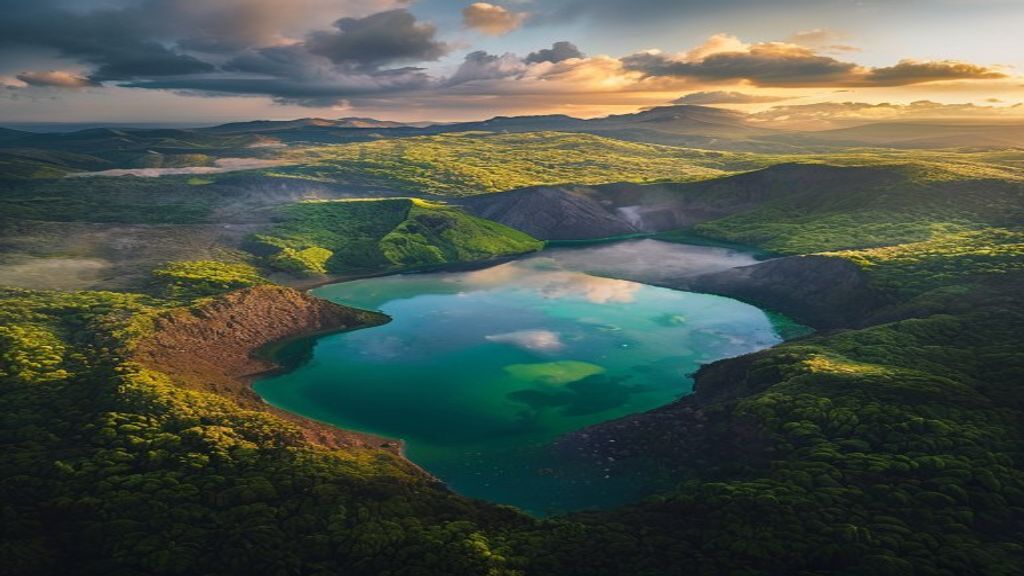
The Azores sit atop one of the most geologically active zones on Earth, and that restless energy has sculpted a landscape unlike anywhere else in Europe. On São Miguel, the largest island, you’ll find Sete Cidades — a twin-lake caldera of jade and sapphire nestled inside a dormant volcano crater. The colors shift with the light and weather, making every visit feel unique. Elsewhere, the Furnas Valley bubbles with geothermal pools where locals still slow-cook cozido das Furnas (a traditional meat stew) underground using volcanic heat.
Beyond São Miguel, Flores Island rewards those willing to travel further with waterfalls that plunge directly into the sea, while Pico Island is dominated by Portugal’s highest peak — Mount Pico, a UNESCO-listed volcanic cone that serious hikers dream of summiting.
Best Time to Visit
The Azores enjoy a mild, oceanic climate year-round, but late spring (May–June) and early autumn (September–October) offer the sweet spot: warm temperatures, lower rainfall, and fewer tourists than the July–August peak. Whale-watching season runs from April through October, when sperm whales, blue whales, and dolphins are regularly spotted in the deep Atlantic channels between islands.
Must-See Spots
- Sete Cidades Caldera — The iconic twin-lake crater on São Miguel; hike the rim trail at dawn for a breathtaking panorama.
- Terra Nostra Garden — A botanical park in Furnas featuring a warm, iron-rich thermal pool you can actually swim in.
- Praia da Varadouro — A black-sand beach on Faial Island framed by dramatic lava cliffs.
- Mount Pico Summit Trail — A challenging 7–8 hour round trip that rewards climbers with views stretching across the entire archipelago on clear days.
- Algar do Carvão — A cathedral-like lava tube on Terceira Island you can descend into, lit by a subterranean lake glowing at its base.
Practical Tips
- Getting there: SATA Air Azores and Ryanair offer direct flights from Lisbon; transatlantic routes now connect Boston and Toronto directly to Ponta Delgada (São Miguel).
- Island-hopping: Inter-island flights are affordable and frequent; ferries run in summer but can be slow between distant islands.
- Currency: Euro (€). The Azores are noticeably cheaper than mainland Portugal — budget around €80–120/day for mid-range travel.
- Accommodation: Agro-tourism quintas (farmhouses) offer the most atmospheric stays; book well ahead for summer.
- Sustainability: The Azores are deeply committed to eco-tourism. Stick to marked trails, never pick endemic plants, and choose certified whale-watching operators that follow no-approach guidelines.
The Azores don’t offer glitzy nightlife or manicured beach resorts — and that is entirely the point. What they offer instead is raw, volcanic beauty, genuine local culture, and the rare sensation of feeling truly, wonderfully far from the ordinary world.