Hidden Gems of the Azores: Europe's Secret Atlantic Paradise
Floating in the middle of the Atlantic, the Azores offer volcanic crater lakes, steaming hot springs, and cliffside villages that feel untouched by time. This Portuguese archipelago is Europe's best-kept secret — and it won't stay that way for long.
Hidden Gems of the Azores: Europe’s Secret Atlantic Paradise
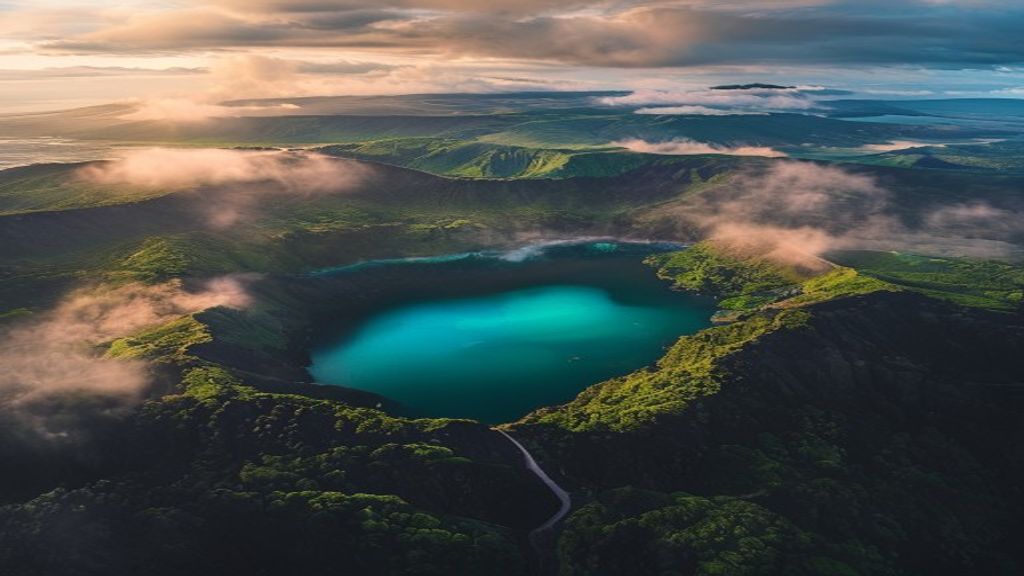
Imagine waking up to the sight of twin emerald lakes shimmering inside a dormant volcano, with hydrangeas lining every road and the ocean stretching endlessly beyond black lava cliffs. Welcome to the Azores — nine volcanic islands adrift in the Atlantic Ocean, roughly 1,500 km west of Lisbon, and one of the most dramatically beautiful places on Earth.
Despite being a part of Portugal and easily reachable from both Europe and North America, the Azores remain refreshingly uncrowded. There are no mass-market resorts here, no neon-lit tourist strips — just raw, green, geological wonder.
What Makes the Azores Special
The islands sit on the junction of three tectonic plates, which means the landscape is alive. Steaming fumaroles crack through hillsides, and at Furnas on São Miguel island, locals actually cook a traditional slow-braised stew called cozido das Furnas in underground volcanic vents. The thermal pools at Terra Nostra Park — filled with iron-rich, rust-colored mineral water — are unlike any spa experience in the world.
The crown jewel of São Miguel is Sete Cidades, a pair of linked caldera lakes — one blue, one green — that stare up at the sky like twin eyes. The hike around the rim at sunrise is nothing short of spiritual.
Beyond São Miguel, Flores Island is a waterfall-drenched jewel covered in hydrangea hedgerows, while Faial offers divers some of the Atlantic’s clearest waters and the hauntingly beautiful ruins of a marina swallowed by a volcanic eruption in 1957.
Best Time to Visit
The Azores are a year-round destination, but late April through June is the sweet spot. The islands are lush and green, wildflowers are in full bloom, temperatures are mild (18–22°C), and the summer crowds have not yet arrived. Whale watching season peaks between April and September, making spring the perfect window to see sperm and blue whales offshore.
Must-See Spots
- Sete Cidades Crater Lakes – Hike the rim or kayak the lakes at dawn
- Furnas Valley – Geysers, thermal pools, and underground-cooked meals
- Terra Nostra Botanical Garden – 200-year-old park with a magical thermal pool
- Pico Mountain – Climb Portugal’s highest peak, a perfect volcanic cone rising from the sea
- Flores Island Waterfalls – Remote cascades tumbling into blue lagoons
Practical Tips
- Getting there: Direct flights connect Lisbon, London, Boston, and Toronto to Ponta Delgada on São Miguel. Inter-island flights and ferries make island-hopping easy.
- Getting around: Rent a car — public transport is limited and you’ll want the freedom to chase viewpoints.
- Where to stay: Boutique quintas (farmhouses) and eco-lodges are the way to go. Try a stay in Furnas for a full geothermal experience.
- Budget: The Azores are relatively affordable by Western European standards. Expect €80–150/night for quality accommodation.
- Eco-awareness: The islands take sustainability seriously. Follow marked trails, avoid single-use plastics, and support local producers.
The Azores don’t shout. They whisper — through the mist rolling off volcanic peaks, the silence of a crater lake at dawn, the taste of pineapple grown in geothermal greenhouses. Come before the secret gets out entirely.