Hidden Gems of the Azores: Europe's Forgotten Atlantic Eden
Floating in the middle of the Atlantic like a secret the ocean decided to keep, the Azores offer volcanic calderas, impossibly blue crater lakes, and hot springs bubbling up from the earth — all without the crowds that have overwhelmed mainland Europe. If you've never heard of them, that's exactly the point.
Hidden Gems of the Azores: Europe’s Forgotten Atlantic Eden
There are places in the world that feel like they exist slightly outside of time — places where the landscape is so improbable, so lushly alive, that you half-expect to find dinosaurs grazing in the valley below. The Azores is one of those places. An autonomous Portuguese archipelago of nine volcanic islands scattered across the mid-Atlantic, it sits roughly 1,500 kilometers west of Lisbon and a world away from anywhere you’ve probably been before.
For years, the Azores flew beneath the radar of mainstream tourism. That is slowly changing — but slowly enough that if you go now, in 2026, you can still stand on the rim of a dormant caldera without a single other soul in sight.
What Makes It Special
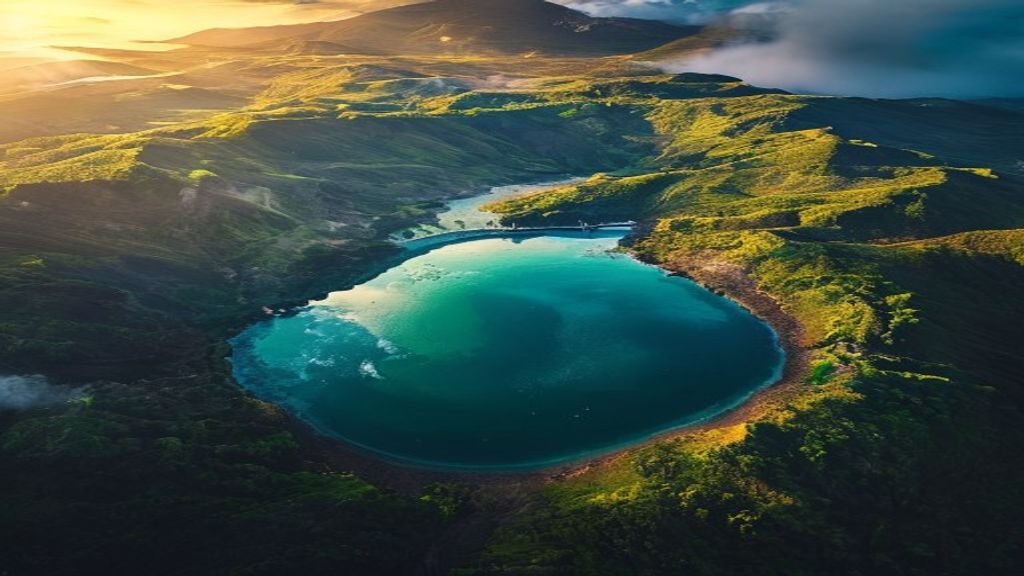
The Azores sits atop the Mid-Atlantic Ridge, where the Eurasian and North American tectonic plates grind against each other in geological slow motion. The result is a landscape of almost theatrical drama: black lava fields interrupted by hydrangea hedgerows in electric blue, steaming fumaroles rising from hillsides, and crater lakes so perfectly round and so improbably turquoise that they look like CGI renders of a fantasy world.
Each island has its own personality. São Miguel, the largest, is home to the twin lakes of Sete Cidades — one emerald green, one sapphire blue, divided by a narrow bridge — and the bubbling geothermal pools of Furnas, where locals slow-cook cozido das Furnas (a rich meat stew) in volcanic earth for six hours. Flores in the western group is arguably the most beautiful island in Europe, with waterfalls cascading directly into the sea. Faial is the sailor’s island, its marina a traditional stopping point for transatlantic crossings.
Best Time to Visit
The Azores is a year-round destination, but the sweet spot is May through September, when temperatures hover between 20–26°C (68–79°F) and whale-watching season peaks. The islands sit in the path of migrating cetaceans, making them one of the best places on earth to spot blue, sperm, and fin whales from land-based vigias (old whalers’ lookout posts) or small zodiac boats.
Spring (April–June) brings the famous hydrangea blooms, which line country roads in violent purple and blue. Autumn brings softer crowds and harvest festivals. Even winter has its advocates — the islands stay relatively mild, and the Atlantic storms that roll in create a moody, cinematic atmosphere that photographers adore.
Must-See Spots
- Sete Cidades Caldera, São Miguel — Hike the 12km caldera rim at sunrise for unobstructed views over both lakes before the clouds roll in by mid-morning.
- Furnas Valley — Soak in the Terra Nostra Park botanical garden’s tannic hot spring pool (it will stain your swimsuit orange — worth it entirely).
- Pico Mountain — Climb Portugal’s highest peak (2,351m) starting at midnight for a sunrise above the clouds. No technical climbing required, just determination.
- Flores Island Waterfalls — The Cascata do Poço do Bacalhau drops 100 meters into a lagoon. Accessible by a short but steep trail.
- Faial’s Capelinhos Volcano — An eruption in 1957–58 added an entire peninsula to the island. Walk across the alien lava field and visit the eerily preserved lighthouse buried to its windows in ash.
Practical Tips
- Getting there: SATA Air Açores connects all nine islands by small propeller plane. Direct transatlantic flights now serve Ponta Delgada (São Miguel) from several North American cities.
- Inter-island ferries run in summer and are far more atmospheric than flying, though weather can cause delays — build flexibility into your schedule.
- Car rental is essential on every island. Public transport exists but is limited. Roads are steep, narrow, and wet — an SUV or 4WD is worth the upgrade.
- Accommodation: Small alojamentos locais (locally run guesthouses) offer better value and far more character than chain hotels. Book ahead for July and August.
- Budget: The Azores remains meaningfully cheaper than mainland Portugal or Spain. Expect to spend 30–40% less per day than you would in Lisbon.
- Pack layers: Weather changes by the hour. Locals say you can experience all four seasons in a single afternoon, and they are not exaggerating.