Hidden Gems of the Azores: Europe's Forgotten Archipelago
Floating in the middle of the Atlantic, the Azores is a volcanic dreamland of crater lakes, hot springs, and impossibly green cliffs that most travelers still haven't discovered. If you're craving raw natural beauty without the crowds, this Portuguese archipelago will leave you speechless.
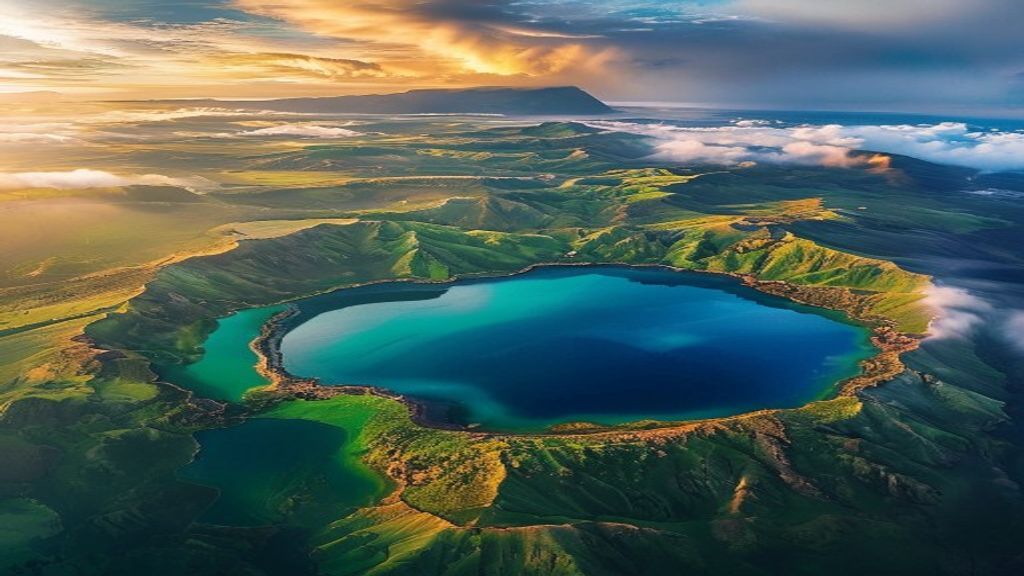
Hidden Gems of the Azores: Europe’s Forgotten Archipelago
Tucked away roughly 1,500 kilometers off the coast of Lisbon, the nine islands of the Azores feel like a secret the rest of Europe hasn’t quite figured out yet. Lush, volcanic, and perpetually shrouded in mist, this autonomous Portuguese region is a world of calderas, whale-watching cliffs, black-sand beaches, and thermal pools that bubble straight from the earth. Yet despite all of this, the Azores remains one of the most undervisited destinations in the entire continent.
What Makes the Azores Special
The islands were formed by volcanic activity millions of years ago, and that geology is still very much alive. On São Miguel — the largest and most accessible island — you can stand at the rim of Sete Cidades, a stunning twin-lake caldera where one lake shimmers emerald green and the other sapphire blue. The sight is utterly surreal. Nearby, Furnas Valley is home to geothermal hot springs where locals actually cook cozido das Furnas, a slow-simmered stew, underground using volcanic heat.
Beyond São Miguel, the island of Flores offers some of the most dramatic waterfall scenery in Europe — hydrangea-lined roads tumbling down cliffs into the sea — while Pico Island is dominated by Portugal’s highest mountain, a perfect volcanic cone that adventurous hikers summit at dawn for clouds-below-your-feet views.
Best Time to Visit
The Azores are a year-round destination, but May through September offers the most stable weather, warmest sea temperatures, and best whale-watching conditions. Spring is particularly magical — wildflowers blanket every hillside and the famous blue hydrangeas begin to bloom along every roadside and stone wall.
Must-See Spots
- Sete Cidades Caldera (São Miguel) — The crown jewel, best viewed from Vista do Rei belvedere at sunrise
- Furnas Hot Springs & Lake (São Miguel) — Soak in natural thermal pools and taste geothermal-cooked stew
- Pico Mountain — A 2,351m volcanic hike with otherworldly views
- Praia da Vitória (Terceira) — A charming UNESCO-listed town with baroque churches and colorful facades
- Fajã dos Cubres (São Jorge) — A rare coastal lava shelf teeming with birdlife and solitude
Practical Tips
- Getting there: Fly into Ponta Delgada (PDL) on São Miguel from Lisbon, Porto, or several European hubs. Inter-island hopping is easy via SATA Air Açores.
- Getting around: Rent a car — public transport is limited and the best viewpoints are off the beaten track.
- Budget: The Azores is notably affordable by Western European standards. Expect to spend €60–€90/day including accommodation, food, and activities.
- Pack smart: Weather changes fast. Bring a waterproof layer even in summer, and wear layers for volcano hikes.
- Stay local: Choose alojamento local (local guesthouses) over big hotels for authentic Azorean hospitality and home-cooked breakfasts.
The Azores is not a destination that shouts for attention — it whispers. And for those who listen, it offers something increasingly rare in modern travel: genuine wonder, untouched by mass tourism.