Fiordland, New Zealand: Where the Earth Forgot to Stop
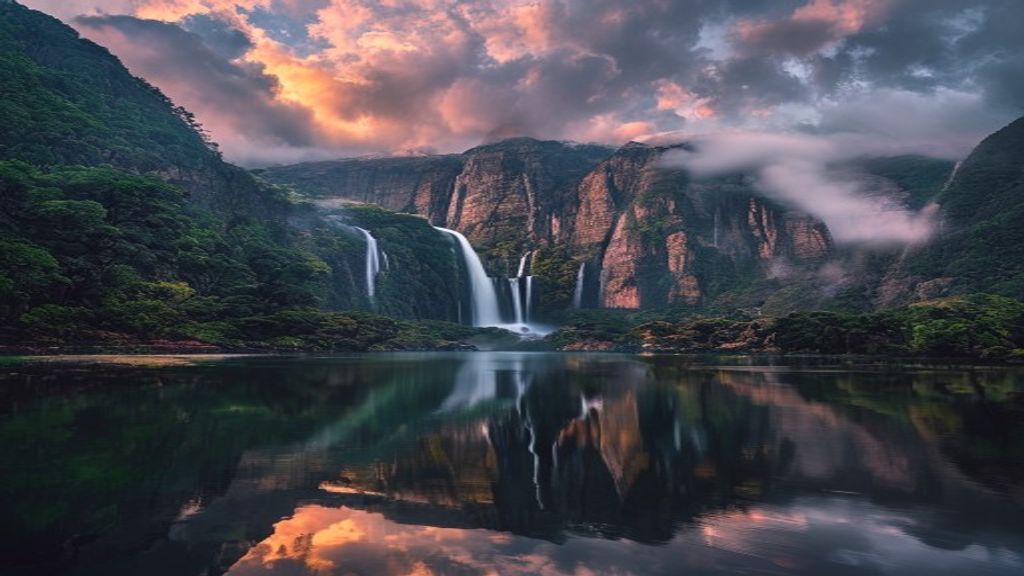
In the remote southwest corner of New Zealand's South Island, Fiordland National Park is a UNESCO World Heritage wilderness of sheer cliffs, black mirror waters, and ancient rainforest so dramatic it makes every other landscape feel like a rough draft.
Fiordland, New Zealand: Where the Earth Forgot to Stop
There are places on Earth that make you feel small in the best possible way. Fiordland is one of them. Carved by glaciers over millions of years and left almost entirely untouched by human hands, this 1.2-million-hectare national park in Aotearoa New Zealand’s southwestern corner is among the most spectacular — and most genuinely wild — places on the planet.
Milford Sound gets the headlines. But Fiordland as a whole is an experience so layered in geological drama and ecological wonder that even a week here barely scratches its surface.
What Makes Fiordland Special
The park contains 14 fiords — technically sounds, as they were formed by glaciers rather than rivers — each one a cathedral of vertical rock, ancient beech forest, and water so dark and still it becomes a perfect mirror for the mountains above. Milford Sound is the most accessible, with its iconic Mitre Peak rising 1,692 metres straight from the water — one of the most recognisable rock faces on Earth.
But lesser-visited Doubtful Sound (three times the length of Milford, one-tenth the visitors) offers an even more profound sense of isolation. Reached only by boat across Lake Manapouri and then a bus over the Wilmot Pass, it feels like the edge of the known world — because, for much of human history, it was.
The biodiversity here is extraordinary. Fiordland is home to the endangered kākāpō (the world’s heaviest parrot), the takahe (a flightless bird once thought extinct), and the playful kea — the world’s only alpine parrot, which will absolutely attempt to dismantle your car if given the chance.
The Great Walks
Fiordland contains three of New Zealand’s nine Great Walks:
- Milford Track (53.5 km, 4 days) — often called the finest walk in the world, crossing MacKinnon Pass through ancient beech forest and alpine meadows
- Routeburn Track (32 km, 2–4 days) — dramatic ridge-top views into both Fiordland and Mount Aspiring National Parks
- Kepler Track (60 km, 3–4 days) — a loop from Te Anau through beech forest, tussock ridges, and river valleys
All three require advance booking through the Department of Conservation (DOC) — slots sell out months ahead.
Best Time to Visit
November to April (Southern Hemisphere spring and summer) offers the most stable weather and the longest daylight hours. That said, Fiordland receives up to 8,000 mm of rainfall annually — one of the wettest places on Earth — and rain is part of the experience. Waterfalls that trickle in dry weather become thundering curtains after rain, and the low cloud dramatically transforms the fiords. Embrace it.
Winter (May–October) sees fewer visitors and a moody, atmospheric beauty, but some tracks and services are restricted.
Must-See Spots
- Milford Sound cruise – Dawn or sunset cruises minimise crowds and maximise light
- Doubtful Sound overnight cruise – Sleep on the water in total silence (no road access means almost no engine noise)
- Mirror Lakes, Te Anau – A short roadside walk yielding perfect mountain reflections
- Lake Marian – An off-the-beaten-path day hike to a breathtaking alpine lake
- Glow Worm Caves, Te Anau – An underground cave system lit by thousands of bioluminescent larvae
Practical Tips
- Base yourself in Te Anau – The gateway town with accommodation, gear rental, and DOC booking services.
- Getting there: Fly into Queenstown (2.5 hours from Te Anau by road), rent a car, and drive the stunning Milford Road — itself a world-class scenic route.
- Great Walks booking: Open from late May each year at doc.govt.nz. Book the moment they open — Milford Track especially sells out within hours.
- Sandflies: Fiordland’s notorious sandflies are relentless near water. Bring DEET-based repellent and long sleeves — this is non-negotiable.
- Currency: New Zealand Dollar (NZD). Card payments widely accepted.
- Budget: New Zealand is not cheap. Expect NZD 150–280/day (approx. USD 85–160) for mid-range travel, meals, and activities.
Fiordland doesn’t ask to be liked. It doesn’t need to. It simply exists — ancient, overwhelming, and utterly indifferent to human approval. That’s precisely why it’s unforgettable.