Cartagena After Dark: Colombia's Walled City of Wonders
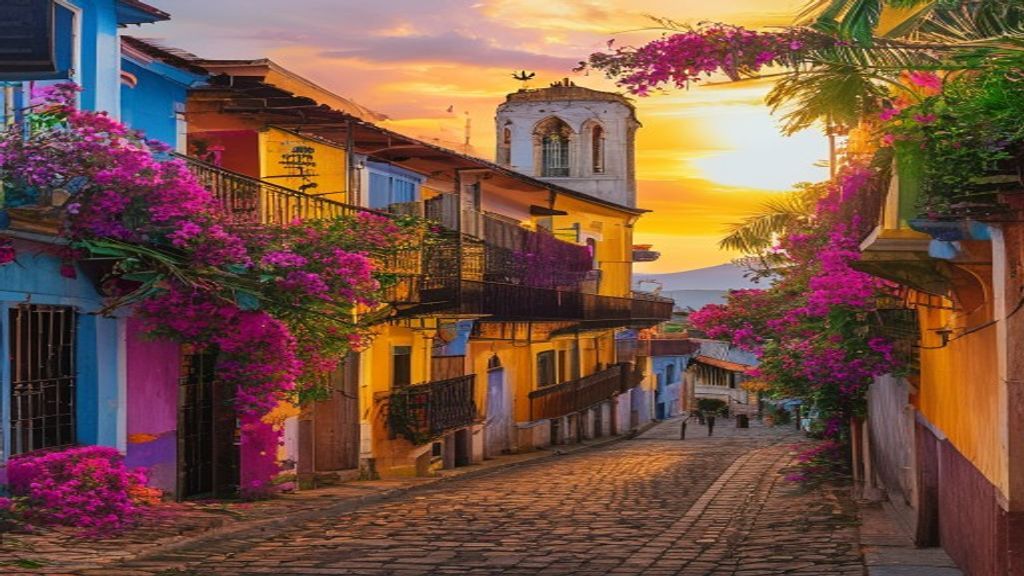
Inside Colombia's 16th-century fortified walls, a city of bougainvillea-draped balconies, cobblestone plazas, and Afro-Caribbean rhythms pulses with color and life unlike anywhere else in the Americas. Cartagena de Indias is history made beautiful — and it's just getting started.
Cartagena After Dark: Colombia’s Walled City of Wonders
On the Caribbean coast of Colombia, Cartagena de Indias has been seducing travelers for centuries — first as the wealthiest port in the Spanish Empire, then as the inspiration for Gabriel García Márquez’s magical realism, and now as one of South America’s most vibrant and photogenic cities. But Cartagena isn’t a museum piece frozen in amber. It breathes, dances, and glows, especially when the sun goes down.
What Makes Cartagena Special
The Ciudad Amurallada — the walled old city — is the beating heart of Cartagena and a UNESCO World Heritage Site. Built by the Spanish in the 1500s to protect their stolen gold, the massive coral-stone walls now shelter a labyrinth of colonial architecture painted in vivid yellows, pinks, and blues. Bougainvillea spills from iron-railed balconies. Cathedral bells echo across cobblestone squares. The scent of arepas de choclo drifts from street carts at every corner.
Beyond the walls lies Getsemaní, once a forgotten neighborhood, now Cartagena’s most electric district — a street-art wonderland where murals cover every surface, rooftop bars pulse with champeta music, and the creative soul of the city lives loudest.
And then there’s the sea. The Rosario Islands, a 45-minute boat ride from the city, offer crystal-clear Caribbean water, coral reefs teeming with life, and the kind of white-sand beaches that make you seriously consider not going home.
Best Time to Visit
December through April is the dry season and the most popular time, with clear skies and low humidity. May and November offer a sweet compromise: fewer tourists, lower prices, and still plenty of warm, sunny days. Avoid the peak rainy months of October and early November if sunshine is your priority.
Must-See Spots
- Castillo San Felipe de Barajas — The most impressive Spanish fortification in the Americas; explore its tunnel system at sunset for golden views over the city.
- Plaza de la Trinidad, Getsemaní — The neighborhood’s social living room; arrive in the evening when vendors, musicians, and locals fill every corner.
- Bocagrande Beach Promenade — The modern city’s answer to a seaside boulevard; great for people-watching and fresh ceviche.
- Convento de La Popa — A 17th-century hilltop convent with arguably the best panoramic views of the entire city and coastline.
- Islas del Rosario — Take a day trip for snorkeling, fresh grilled fish, and water so clear it looks like liquid glass.
Practical Tips
- Getting there: Cartagena’s Rafael Núñez International Airport receives direct flights from Bogotá, Medellín, Miami, and New York.
- Getting around: Within the walled city, walk everywhere — it’s the only way to discover hidden courtyards and alley art. For Getsemaní and beyond, taxis and ride-share apps (InDriver, Uber) are reliable and cheap.
- Safety: The tourist zones are very safe and heavily trafficked. Stick to well-lit streets at night outside the centro histórico and you’ll have no issues.
- Currency tip: Always carry some Colombian pesos (COP) in cash — street food, local markets, and smaller eateries rarely accept cards.
- Don’t miss: A palenquera — the Afro-Colombian women in traditional dress and towering fruit bowls on their heads, a living cultural symbol of the nearby village of San Basilio de Palenque, the first free African town in the Americas.
Cartagena rewards slow travelers. Sit on a plaza bench at dusk, order a glass of limonada de coco, and let the city come to you — in the sound of a distant salsa band, the flash of a firefly, the warm Caribbean wind moving through the jacaranda trees. There is nowhere else on Earth quite like this.